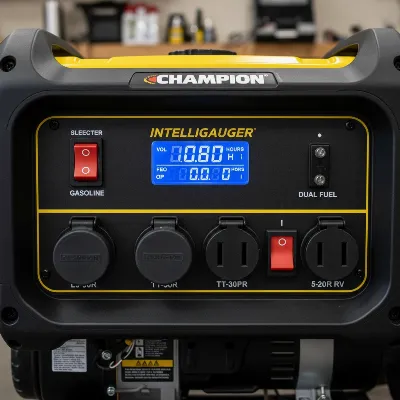
Hearing your portable generator rev up and down like a restless engine can be unsettling, especially when you’re relying on it for crucial power. This erratic behavior, known as “surging” or “hunting,” indicates an underlying issue that needs attention. A portable generator is a vital piece of equipment, providing peace of mind during outages or power for remote projects, but when it begins to surge, it signals an instability that can damage connected appliances and even the generator itself. Understanding the root causes of this common problem is the first step toward restoring reliable, consistent power. In this comprehensive guide, we’ll explore why your portable generator might be surging and provide five quick, actionable fixes to get it humming smoothly again.
What is Portable Generator Surging? Understanding the “Hunting” Phenomenon
Generator surging is characterized by the engine’s speed fluctuating significantly, causing a noticeable rise and fall in RPMs. Instead of maintaining a steady, consistent hum, the engine sounds like it’s “hunting” for the correct speed, alternately accelerating and decelerating. This inconsistency directly translates to an unstable electrical output, which can manifest as flickering lights, appliances struggling to run, or even automatically shutting off.
Stable power output is crucial for both the longevity of your generator and the safety of your connected devices. Modern electronics are particularly sensitive to voltage fluctuations, and a surging generator can lead to premature wear, damage, or even failure of expensive equipment. Beyond the potential harm to appliances, an engine that continually struggles to regulate its speed also consumes more fuel, wears components faster, and reduces the overall lifespan of the generator itself. Addressing surging promptly is essential for efficient operation and protecting your valuable assets.
Common Causes Behind Your Generator’s Erratic Behavior
When a portable generator starts surging, it’s typically a sign that the delicate balance of fuel, air, and spark required for stable combustion has been disrupted. Pinpointing the exact cause often involves examining these core systems. While multiple factors can contribute to surging, a few common culprits are responsible for the vast majority of cases.
Stale or Contaminated Fuel
|
Our Picks for the Best Portable Generator in 2026
As an Amazon Associate I earn from qualifying purchases.
|
||
| Num | Product | Action |
|---|---|---|
| 1 | 5000 Watts Portable Dual Fuel Inverter Generator– Small Gasoline LPG Powered for Home Backup, Camping, RV, Tailgating with CO Protection, Eco Mode, Recoil/Electric/Remote Start, Parallel Capable |

|
| 2 | maXpeedingrods 2400 Watt Portable Inverter Generator Gas Powered, Bluetooth® App Remote Data Monitor,Only 33lbs, Compact and Lightweight for Outdoor Camping, Home Use |
|
| 3 | Honda 664240 EU2200i 2200 Watt Portable Inverter Generator with Co-Minder |
|
| 4 | BLUETTI Portable Power Station AC180, 1152Wh LiFePO4 Battery Backup w/ 2 1800W (2700W peak) AC Outlets, 0-80% in 45Min, Solar Generator for Camping, Off-grid, Power Outage |
|
| 5 | GENMAX Portable Inverter Generator, 6000W open frame Gas Powered High Speed Engine with Electric Start, Ultra Lightweight for Backup Home Use & Job Site,EPA Compliant (GM6000XiE) |
|
| 6 | Generac 2,500-Watt Gas Powered Portable Inverter Generator - Lightweight and Compact Design - Produces Clean, Stable Power - Quiet Operation - Great for Home Backup, Camping, and RV Use |
|
| 7 | Anker SOLIX C1000 Gen 2 Portable Power Station, 2,000W (Peak 3,000W) Solar Generator, Full Charge in 49 Min, 1,024Wh LiFePO4 Battery for Home Backup, Power Outages, and Camping (Optional Solar Panel) |
|
| 8 | Champion Power Equipment 2500-Watt Dual Fuel Portable Inverter Generator with Quiet Technology and CO Shield |
|
| 9 | Westinghouse 155Wh 150 Peak Watt Portable Power Station & Solar Generator, Modified Sine Wave AC Outlet, Backup Lithium Battery for Camping, Home, Travel, Indoor/Outdoor Use (Solar Panel Not Included) |
|
| 10 | Anker SOLIX C1000 Portable Power Station, 1800W (Peak 2400W) Solar Generator, Full Charge in 58 Min, 1056wh LiFePO4 Battery for Home Backup, Power Outages, and Outdoor Camping (Optional Solar Panel) |
|
Fuel is the lifeblood of your generator, and its quality is paramount. Gasoline can degrade over time, especially when stored for extended periods, leading to the formation of gummy deposits and varnish. These residues can easily clog the fine passages within the fuel system. Additionally, water contamination, often from condensation inside the fuel tank, can mix with the gasoline, preventing proper combustion and causing the engine to sputter and surge as it struggles to burn the inconsistent mixture.
Clogged Carburetor
The carburetor is a critical component responsible for mixing air and fuel in a precise ratio before it enters the engine’s combustion chamber. Its intricate design includes tiny jets and passages that are highly susceptible to blockages from stale fuel deposits or debris. When these passages, particularly the crucial pilot jet (which controls fuel flow at idle), become obstructed, the air-fuel mixture becomes imbalanced. This imbalance forces the engine to work harder and irregularly, resulting in the tell-tale surging sound as it tries to compensate.
Dirty Air Filter
Just as a human needs clean air to breathe efficiently, an engine requires an unobstructed supply of air for proper combustion. The air filter’s job is to prevent dust, dirt, and debris from entering the engine. Over time, this filter can become clogged with accumulated grime, restricting the airflow to the carburetor. When less air is available, the fuel-to-air ratio becomes “rich” (too much fuel for the available air), leading to inefficient burning, reduced power, and engine surging as it struggles to maintain a consistent speed.
Failing Spark Plug
The spark plug provides the crucial spark that ignites the air-fuel mixture in the combustion chamber. A dirty, fouled, or worn-out spark plug can lead to inconsistent or weak sparks, resulting in misfires. When the engine experiences misfires, its power output becomes erratic, causing the RPMs to fluctuate wildly and the generator to surge. Deposits of carbon or oil on the spark plug electrode can insulate the spark, making it less effective, while a damaged electrode can prevent a spark altogether.
Incorrect Governor Adjustment
The governor is a mechanical or electronic device designed to regulate the engine’s speed and maintain a consistent RPM, regardless of the load connected to the generator. It achieves this by controlling the throttle. If the governor mechanism is faulty, damaged, or improperly adjusted, it may not be able to react quickly or accurately enough to changes in load or engine speed. This failure to properly regulate the throttle can cause the engine to “hunt” for the correct speed, leading directly to surging.
5 Quick Fixes for a Surging Portable Generator
Addressing generator surging often involves a systematic approach, starting with the simplest solutions. Many common surging issues can be resolved with basic maintenance tasks. Before you consider more complex repairs or professional help, try these five quick fixes.
Refresh Your Fuel Supply
The first and often simplest solution is to inspect and replace your fuel. If the generator has been sitting for an extended period, drain any old fuel from the tank and the carburetor’s float bowl. Refill with fresh, high-octane gasoline, ensuring it’s the correct type specified in your generator’s owner’s manual. For generators stored for more than a month, always add a high-quality fuel stabilizer to prevent fuel degradation and the formation of harmful deposits. This practice keeps the fuel system clean and promotes smooth operation.
Clean or Replace the Air Filter
A dirty air filter is a common culprit behind surging and is easy to address. Locate your generator’s air filter compartment, typically a plastic housing near the carburetor. Remove the filter and inspect it. If it’s merely dusty, you can often clean it by tapping out loose debris or washing it gently with soap and water (if it’s a foam filter) and allowing it to air dry completely. However, if the filter is heavily soiled, torn, or saturated with oil, it’s best to replace it with a new one to ensure optimal airflow.
Service the Carburetor
A clogged carburetor is arguably the most frequent cause of generator surging, especially if stale fuel has been sitting in it. While a full disassembly can be complex, you can often address minor clogs by using a carburetor cleaner spray. With the engine off and cool, remove the air filter and spray the cleaner into the carburetor throat and visible jets. Allow it to sit, then try starting the generator. For persistent issues, or if your generator has an idle (pilot) jet, you may need to carefully remove and clean it using a small wire to clear its tiny passages, following your manual’s instructions.
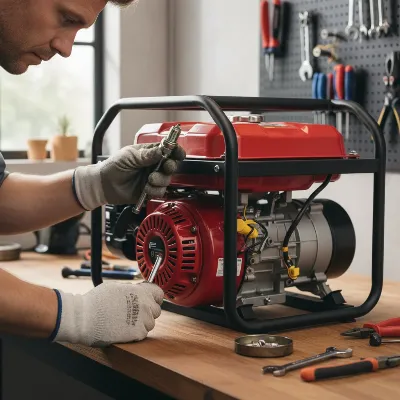 A person performing routine maintenance on a portable generator, checking fluids and spark plug.
Inspect and Replace the Spark Plug
A faulty spark plug can significantly impact engine performance. With the engine cool, carefully remove the spark plug using a spark plug wrench. Inspect the electrode for signs of wear, damage, or heavy carbon/oil deposits. A healthy plug should have a light tan or grayish-brown tip. If it’s black, oily, or corroded, it needs replacement. Even if it looks okay, consider replacing it as part of routine maintenance if it’s old. Ensure the new plug is correctly gapped according to your generator’s specifications before installing it, and tighten it to the recommended torque.
Adjust the Governor
The governor system regulates engine speed. If the above fixes haven’t worked, the governor might be out of adjustment. For mechanical governors, this usually involves a linkage that connects the governor arm to the carburetor throttle. Often, there’s a spring or screw that can be slightly adjusted to increase or decrease tension, influencing how the governor reacts to load changes. However, governor adjustment can be intricate and varies by model. If you’re not comfortable making fine adjustments or if your generator has an electronic governor, it’s often best to consult your owner’s manual or seek professional assistance to avoid causing further damage.
Preventative Maintenance: Keeping Your Generator Running Smoothly
Consistent preventative maintenance is key to avoiding generator surging and ensuring reliable operation. Neglecting your generator can lead to a host of problems, including erratic engine behavior. By adopting a few simple habits, you can significantly extend the lifespan of your unit and minimize the chances of future surging issues.
Regularly running your generator is one of the most effective preventative measures. Start your generator and let it run under a light load for 15-20 minutes every month, even if you don’t need it. This practice circulates oil, keeps seals lubricated, and burns off any moisture or old fuel in the carburetor. Always use fresh fuel and consider adding a fuel stabilizer, especially if you anticipate storing the generator for more than a few weeks. Following the manufacturer’s recommended maintenance schedule for oil changes, air filter replacement, and spark plug checks is also crucial. These steps ensure all components are functioning optimally, preventing the common issues that lead to surging.
When to Seek Professional Assistance for Generator Surging
While many generator surging issues can be resolved with DIY troubleshooting, there are instances when professional intervention is necessary. If you’ve diligently tried all the quick fixes—replacing fuel, cleaning the air filter, servicing the carburetor, and checking the spark plug—and your portable generator continues to surge, it’s a strong indication of a more complex problem.
Issues such as deeply clogged fuel lines, a severely damaged carburetor beyond simple cleaning, a malfunctioning fuel pump, or an electronic governor fault typically require specialized tools and expertise to diagnose and repair. Furthermore, if you are uncomfortable performing any of the mechanical adjustments, particularly with the governor, a certified technician can ensure the work is done safely and correctly. Attempting repairs beyond your skill level can lead to further damage, costly repairs, or even personal injury.
Conclusion
A surging portable generator can be a frustrating experience, transforming your reliable power source into an unpredictable one. However, by understanding that most surging issues stem from common problems related to fuel quality, air filtration, carburetor health, or ignition components, you can often diagnose and resolve the problem yourself. From simply refreshing stale fuel to cleaning a clogged carburetor or replacing a worn spark plug, these five quick fixes are your best first line of defense.
Consistent preventative maintenance, including using fresh fuel with stabilizers and regular running, is paramount to keeping your generator in peak condition. Remember, a well-maintained generator is a dependable generator. Don’t let erratic engine behavior compromise your power needs; address surging promptly to ensure your portable generator is always ready to deliver stable, consistent power when you need it most. Has your Portable Generator ever surged unexpectedly, and what was the ultimate fix you found?
Câu Hỏi Thường Gặp
Why does my generator surge only under load?
If your generator only surges when a load is applied, it often points to an issue with the governor system or an overloaded condition. The governor might not be adjusting the throttle correctly to compensate for the increased demand, or the total power draw might exceed the generator’s capacity. Check the load, inspect governor linkages, and ensure the carburetor is clean, as it needs to supply more fuel under load.
How often should I clean my generator’s carburetor?
The frequency of carburetor cleaning depends heavily on usage and fuel quality. As a general rule, if you use your generator frequently, it’s wise to consider a cleaning every 100-200 hours of operation or at least once a year. If you store your generator with fuel for extended periods without stabilizer, or if it shows signs of surging, cleaning should be done immediately, even if it hasn’t reached the typical maintenance interval.