Facing unexpected power outages or planning your next off-grid adventure? A reliable power source is no longer a luxury but a necessity. While traditional generators have served us for decades, the advent of inverter portable generators has revolutionized how we access clean, stable power on the go. These advanced machines offer a suite of benefits, from protecting your sensitive electronics to operating with remarkable quietness and fuel efficiency. Dive into this comprehensive guide to discover everything you need to know about choosing, using, and maintaining the perfect inverter portable generator for your needs in 2026.
What is an Inverter Portable Generator? (Definition and Applications)
An inverter portable generator is a sophisticated power source designed to produce electricity with exceptional stability and purity. Unlike conventional generators that run at a fixed engine speed and produce “raw” AC power, inverter models utilize a three-step conversion process. They first generate high-frequency AC power, convert it to DC, and then “invert” it back into clean, stable AC power, often referred to as a “pure sine wave.” This technology ensures a total harmonic distortion (THD) of less than 3%, making them perfectly safe for sensitive electronics like laptops, smartphones, and medical devices.
The intelligent design of inverter generators allows their engines to adjust speed according to the power demand. This variable RPM operation significantly boosts fuel efficiency, often by 20-50% compared to traditional models, and dramatically reduces noise levels. Weighing significantly less and featuring more compact designs, inverter generators are inherently more portable, often equipped with integrated handles or wheels for easy transport. Their clean power output, quiet operation, and portability make them ideal for a diverse range of applications, from providing essential backup power during home outages and powering RVs and camping trips to supporting tailgating events and even light-duty job site tasks where sensitive equipment is used.
Important Factors When Choosing Your Ideal Portable Inverter Generator
Selecting the right inverter portable generator involves weighing several critical factors to ensure it perfectly matches your power requirements and lifestyle. Understanding these specifications will help you make an informed decision for reliable power.
First, power output, measured in watts, is paramount. You need to identify both the starting watts (the surge of power needed to kick-start appliances like refrigerators or air conditioners) and the running watts (the continuous power required for operation). Make a list of all devices you intend to power simultaneously and calculate their combined wattage. For basic needs like lights and charging devices, a 1,000-2,000 watt unit might suffice, while powering an RV air conditioner or multiple home appliances may demand 3,500 watts or more. Many inverter generators also offer parallel capability, allowing you to connect two units for double the power output when needed.
Fuel type is another key consideration. While many inverter generators run on gasoline, dual-fuel models (gasoline and propane) offer greater versatility and longer fuel shelf life with propane. Some even come as tri-fuel units, adding natural gas to the mix. Propane can be a safer, cleaner-burning option for extended storage. Run time and fuel efficiency are closely linked to the inverter technology itself, as these generators adjust engine speed to conserve fuel, leading to longer operation on a single tank. Look for models with an “Eco-Mode” for optimal efficiency under light loads.
Noise level is a significant advantage of inverter generators. Typically operating between 50-65 dBA, they are as quiet as a normal conversation, making them ideal for campgrounds, residential areas, or any setting where loud noise is undesirable. Consider the decibel rating at various loads. Portability and design play a crucial role if you plan to move the generator frequently. Look for lightweight models, robust carrying handles, and sturdy wheels. Finally, additional features like electric start, remote start, a built-in CO sensor for safety, low-oil shutdown, GFCI outlets, and digital displays can enhance convenience and safety, making your generator easier and safer to operate.
Inverter vs. Conventional Generators: A Detailed Comparison
When considering a portable power solution, the choice often comes down to inverter versus conventional generators. While both provide electricity, their core technologies and resulting performance characteristics differ significantly, influencing their suitability for various applications. Inverter generators represent a technological leap, prioritizing clean power, efficiency, and quiet operation, whereas conventional generators are often chosen for sheer raw power and a lower initial cost.
Inverter generators excel in producing a pure sine wave, meaning the electricity they output is consistent and clean, similar to the power from your wall outlets. This makes them indispensable for safely powering sensitive electronics without risk of damage. Conventional generators, on the other hand, produce a “raw” AC power that can have high total harmonic distortion, potentially harming delicate devices. Another stark contrast lies in noise levels. Inverters are remarkably quiet, typically operating at 50-65 dBA, akin to a soft conversation, thanks to their variable engine speed. Conventional generators, by contrast, run at a constant, high RPM, producing a much louder 70-85 dBA, comparable to a lawnmower.
Fuel efficiency is another strong suit for inverters, as their engines automatically adjust speed to match the load, consuming 20-50% less fuel. Conventional generators run at a fixed speed regardless of power draw, leading to higher fuel consumption. In terms of portability, inverter generators are typically much lighter and more compact, designed for easy transport. Conventional units are heavier and bulkier, often with open-frame designs. While upfront cost for an inverter generator is generally higher, their efficiency and superior power quality often justify the investment, especially for homeowners, RV enthusiasts, and campers who value comfort and device safety. Conventional generators remain a viable option for heavy-duty tools or construction sites where robust, continuous power is needed and noise or clean power are less critical concerns.
Feature Showdown: Inverter vs. Conventional Generators
|
Our Picks for the Best Portable Generator in 2026
As an Amazon Associate I earn from qualifying purchases.
|
||
| Num | Product | Action |
|---|---|---|
| 1 | Anker SOLIX C1000 Gen 2 Portable Power Station, 2,000W (Peak 3,000W) Solar Generator, Full Charge in 49 Min, 1,024Wh LiFePO4 Battery for Home Backup, Power Outages, and Camping (Optional Solar Panel) |

|
| 2 | Anker SOLIX C1000 Portable Power Station, 1800W (Peak 2400W) Solar Generator, Full Charge in 58 Min, 1056wh LiFePO4 Battery for Home Backup, Power Outages, and Outdoor Camping (Optional Solar Panel) |
|
| 3 | Honda 664240 EU2200i 2200 Watt Portable Inverter Generator with Co-Minder |
|
| 4 | GENMAX Portable Inverter Generator, 6000W open frame Gas Powered High Speed Engine with Electric Start, Ultra Lightweight for Backup Home Use & Job Site,EPA Compliant (GM6000XiE) |
|
| 5 | BLUETTI Portable Power Station AC180, 1152Wh LiFePO4 Battery Backup w/ 2 1800W (2700W peak) AC Outlets, 0-80% in 45Min, Solar Generator for Camping, Off-grid, Power Outage |
|
| 6 | 5000 Watts Portable Dual Fuel Inverter Generator– Small Gasoline LPG Powered for Home Backup, Camping, RV, Tailgating with CO Protection, Eco Mode, Recoil/Electric/Remote Start, Parallel Capable |
|
| 7 | Generac 2,500-Watt Gas Powered Portable Inverter Generator - Lightweight and Compact Design - Produces Clean, Stable Power - Quiet Operation - Great for Home Backup, Camping, and RV Use |
|
| 8 | Westinghouse 155Wh 150 Peak Watt Portable Power Station & Solar Generator, Modified Sine Wave AC Outlet, Backup Lithium Battery for Camping, Home, Travel, Indoor/Outdoor Use (Solar Panel Not Included) |
|
| 9 | Champion Power Equipment 2500-Watt Dual Fuel Portable Inverter Generator with Quiet Technology and CO Shield |
|
| 10 | maXpeedingrods 2400 Watt Portable Inverter Generator Gas Powered, Bluetooth® App Remote Data Monitor,Only 33lbs, Compact and Lightweight for Outdoor Camping, Home Use |
|
| Feature | Inverter Generator | Conventional Generator |
|---|---|---|
| Power Quality | Pure Sine Wave (<3% THD) | Raw AC (high THD, 10-25%) |
| Noise Level | Quiet (50-65 dBA), variable RPM | Loud (70-85 dBA), fixed RPM |
| Fuel Efficiency | High (20-50% better), adjusts to load | Lower (fixed RPM, wastes fuel at light loads) |
| Portability | Lightweight & Compact (30-60 lbs) | Heavy & Bulky (70-120+ lbs) |
| Cost | Higher upfront | Lower upfront |
| Best For | Sensitive electronics, home, RVs, camping, quiet sites | Heavy-duty tools, construction, high constant power |
Your Comprehensive Buying Guide for Portable Inverter Generators
Investing in a portable inverter generator is a significant decision that promises reliable power for various scenarios, from emergency home backup to leisure activities. To ensure you make the best choice, a structured approach to buying is essential, focusing on your specific needs, budget, and the reputation of the equipment.
Assess Your Power Requirements
Before you even begin looking at models, take a clear inventory of what you need to power. List all the appliances, tools, or devices you anticipate running during a power outage or on a trip. Crucially, identify both their starting wattage (the brief surge of power required to get them going) and their running wattage (the continuous power they consume). Sum these figures to determine your total maximum running wattage and the highest starting wattage for any single device. Remember to factor in a buffer, as underestimating your needs can lead to frustration. For instance, a small unit around 2,000 watts might cover basic lights and device charging, while an RV with an air conditioner will likely demand 3,000-4,000 watts or more. If powering a well pump or furnace is essential, you’ll need a larger unit, potentially with parallel capability or a transfer switch.
Set a Realistic Budget
Inverter portable generators, with their advanced technology and superior features, generally come with a higher upfront cost than their conventional counterparts. However, this initial investment is often offset by significant long-term savings due to their exceptional fuel efficiency. Establish a clear budget range, but be prepared to adjust it slightly if a model offers critical features or performance that perfectly align with your needs. Consider the generator as a long-term investment in comfort, safety, and convenience. Balancing the initial price with expected fuel savings, durability, and included features will help you identify the best value within your financial comfort zone.
Research Brands and Read Reviews
The market for portable inverter generators is robust, featuring numerous reputable brands. Names like Honda, Yamaha, DuroMax, Westinghouse, and Champion consistently appear in top reviews for their reliability, performance, and customer support. Dedicate time to research these brands, looking specifically for models that fit your wattage and feature requirements. Beyond brand reputation, delve into user reviews and expert testimonials. Real-world experiences can highlight practical aspects such as ease of use, actual noise levels, customer service responsiveness, and common issues or praises. Pay attention to warranty information and the availability of parts and service. A strong warranty and accessible service network can provide peace of mind and protect your investment over its lifespan, ensuring you have support when you need it most.
Top 5 Best Inverter Portable Generators to Consider in 2026
The market for inverter portable generators continues to innovate, offering models with increased power, better fuel efficiency, and enhanced features. Based on expert reviews and consumer feedback for 2026, here are five of the best inverter portable generators that stand out for their performance, reliability, and value.
1. DuroMax 11,000W Dual-Fuel Inverter Generator: This powerhouse is an excellent choice for those needing substantial backup power. It combines the clean output of inverter technology with the robust capacity typically found in conventional units, making it suitable for powering multiple major appliances or even small homes during an outage. Its dual-fuel capability (gasoline and propane) provides flexibility and extended run times. Despite its high output, it maintains impressive fuel efficiency and relatively quiet operation for its size, bridging the gap between portable convenience and home backup demands.
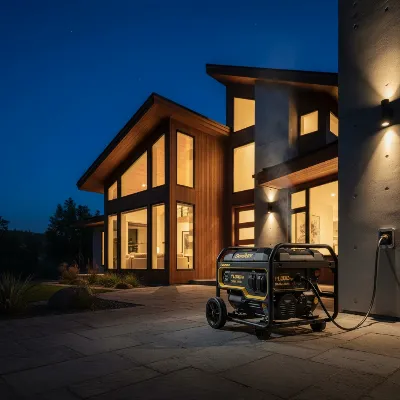 DuroMax 11,000W Dual-Fuel Inverter Generator providing reliable backup power to a modern home during an outage.
2. Honda EU2200i Portable Inverter Generator: Often considered the gold standard for compact inverter generators, the Honda EU2200i continues its legacy of quiet, reliable, and fuel-efficient performance. Delivering 2,200 starting watts and 1,800 running watts, it’s perfect for camping, RVing, tailgating, and powering sensitive home electronics. Its lightweight design (under 50 lbs) and quiet operation (as low as 48 dBA) make it incredibly user-friendly. While it comes with a premium price tag, its legendary durability, resale value, and clean power output make it a wise, long-term investment.
3. Pulsar 2200-Watt Dual-Fuel Quiet Inverter Generator: For those seeking excellent value without compromising on key features, the Pulsar 2200-watt dual-fuel inverter generator is a top contender. Offering 2,200 peak watts and 1,800 running watts, it’s capable of handling essentials for camping or minor home backup. Its dual-fuel capability allows it to run on either gasoline or propane, providing convenience and extending operational time. Its compact size and relatively quiet operation make it a versatile and budget-friendly option, perfect for light-duty applications where portability and fuel flexibility are desired.
4. Ryobi 6,500W Open-Frame Gasoline Inverter Generator: This model offers a unique blend, bridging the gap between traditional open-frame generators and advanced inverter technology. With 6,500 starting watts and 5,500 running watts, it provides substantial power for larger job sites or home backup, capable of running multiple tools or essential household appliances. Despite its higher output, the inverter technology ensures clean power for sensitive devices and a quieter operation than typical conventional generators of this wattage. Its open-frame design offers ruggedness for demanding environments, making it a versatile choice.
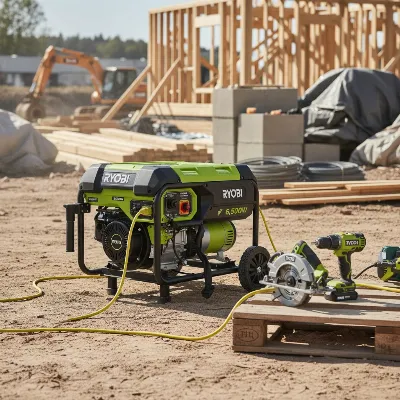 Ryobi 6,500W Open-Frame Inverter Generator powering tools on a construction site.
5. Westinghouse iGen4500 Dual Fuel Inverter Generator: The Westinghouse iGen4500 is a highly popular choice due to its strong performance and balanced features. Providing 4,500 peak watts and 3,700 running watts, this dual-fuel inverter generator is robust enough to power most RVs, campers, or provide significant home backup. It boasts an exceptionally quiet operation (as low as 52 dBA), an extended run time (up to 18 hours on a 3.4-gallon fuel tank), and a host of convenient features like electric start, remote start, and an LED data center. Its portability, combined with reliable power and fuel flexibility, makes it a consistently top-rated option.
Maintaining Your Inverter Portable Generator for Longevity and Performance
Proper maintenance is crucial for ensuring your inverter portable generator remains a reliable power source for years to come. Neglecting simple care can lead to poor performance, premature wear, and even failure when you need it most.
Regular Usage is surprisingly important. Even if you don’t face frequent power outages, it’s recommended to run your generator for 15-30 minutes every month or two. This “exercise” keeps the engine components lubricated, circulates fuel, and ensures the battery (if electric start) remains charged. Always do this in a well-ventilated outdoor area.
Oil Management is perhaps the most critical maintenance task. Check the oil level before each use, and change it after the first 20-30 hours of operation, then typically every 50-60 hours or at least once a year, whichever comes first. Refer to your owner’s manual for the specific oil type and capacity. Using fresh, clean oil is vital for engine lubrication and preventing wear.
Fuel Care is also paramount. Gasoline can degrade over time, leading to carburetor issues. For long-term storage (over a month), either drain the fuel completely or use a high-quality fuel stabilizer. Never store the generator with old, untreated gasoline. Always allow the generator to cool down completely before refueling to prevent accidental fires. If your unit is dual-fuel, consider using propane for storage as it doesn’t degrade.
Regularly inspect and clean or replace the air filter every 25-50 hours of use, or more often in dusty conditions. A clogged air filter restricts airflow, reducing efficiency and potentially damaging the engine. Similarly, check the spark plug every 100 hours. Clean off any carbon buildup or replace it if it’s worn or cracked, as a healthy spark plug is essential for easy starting.
Finally, keep your generator clean by wiping down the exterior after use, especially after operating in dirty environments. Store it in a dry, covered, and well-ventilated area to protect it from the elements and pests. Always adhere to safety guidelines, including operating the generator at least 3-4 feet away from any buildings or combustible materials, ensuring proper exhaust ventilation, and being aware of carbon monoxide risks. Consistent care will ensure your inverter portable generator is always ready to deliver power when you need it most.
Conclusion
Choosing the best inverter Portable Generator for your needs in 2026 is an investment in peace of mind and convenience. These remarkable machines offer a superior blend of clean, stable power for sensitive electronics, impressive fuel efficiency, and whisper-quiet operation, setting them apart from traditional generators. By carefully considering your power requirements, fuel preferences, portability needs, and researching reputable brands, you can confidently select a model that will reliably serve you during outages, outdoor adventures, or job site tasks.
From the high-capacity DuroMax to the ultra-portable Honda, there’s an inverter generator designed to match every demand, providing power that’s not only robust but also smart and efficient. Regular maintenance will further ensure your chosen model performs optimally for years to come. Are you ready to empower your home, RV, or outdoor lifestyle with the ultimate portable power solution?
Câu Hỏi Thường Gặp
Are inverter generators worth the higher initial cost?
Yes, inverter generators are generally worth the higher upfront investment due to their superior fuel efficiency, quieter operation, and production of clean, stable power. These benefits often lead to long-term savings on fuel and prevent damage to sensitive electronics, providing better overall value and a more pleasant user experience.
Can I use an inverter generator indoors?
No, never operate any gasoline-powered generator, including inverter generators, indoors or in partially enclosed spaces. Generators produce carbon monoxide, an invisible and odorless gas that can be fatal. Always ensure proper ventilation by operating your generator outdoors, far from windows and doors.
How often should I run my inverter generator?
It’s recommended to run your inverter generator for 15-30 minutes every month or two. This routine “exercise” helps keep the engine lubricated, ensures fuel circulation, and maintains the battery charge for electric start models, preventing potential issues when you need it most.
What sensitive electronics can I power with an inverter generator?
Inverter generators produce a pure sine wave power with low total harmonic distortion (<3%), making them perfectly safe for all sensitive electronics. This includes laptops, smartphones, televisions, medical devices like CPAP machines, and other delicate appliances that require stable, clean electricity.
What is parallel capability in an inverter generator?
Parallel capability allows you to connect two smaller, compatible inverter generators together using a special kit. This feature effectively doubles your power output, providing more wattage when needed without having to purchase a single, larger, and often heavier generator.
How do I store my inverter generator for extended periods?
For long-term storage, it’s best to either drain the fuel completely from the tank and carburetor or add a high-quality fuel stabilizer to prevent fuel degradation. Also, perform an oil change, clean the unit, and store it in a dry, covered, and well-ventilated area to protect it.