Living in an apartment shouldn’t mean sacrificing peace of mind during power outages. Whether you’re facing a sudden blackout, needing backup power for essential devices, or simply want the flexibility of portable energy, finding the right compact portable generator for apartment use is crucial. This guide will help you navigate the options, focusing on safety, size, and efficiency to ensure you select a generator that fits your apartment lifestyle without compromising on performance or safety. We’ll delve into various types, key features, and top models to keep your lights on and devices charged.
What is a Portable Generator? Definition and Apartment Applications
A portable generator is a self-contained power source designed to provide electricity temporarily, often used during power outages, for outdoor activities, or on job sites. Unlike whole-house standby generators, portable units are movable, offering flexibility for various scenarios. For apartment dwellers, the term “portable generator” often extends beyond traditional gas-powered units to include portable power stations or battery-powered generators, which are significantly safer and more practical for indoor or balcony use due to the absence of fuel combustion and exhaust.
Traditional portable generators typically run on gasoline, propane, or diesel and produce electricity through an internal combustion engine. These are generally not suitable for apartment buildings due to their exhaust fumes, noise, and fuel storage requirements. However, inverter generators offer a quieter, more fuel-efficient, and often more compact alternative to conventional open-frame generators. Crucially, for apartment living, portable power stations are the most viable and safest option. These devices store energy in a battery and provide AC power through an inverter, alongside DC and USB outputs. They are silent, emission-free, and safe for indoor use, making them ideal for small living spaces.
In an apartment setting, portable generators (especially power stations) serve several key applications:
- Emergency Backup Power: Keeping essential appliances like refrigerators, lights, and medical devices running during grid failures.
- Charging Electronics: Ensuring phones, laptops, and tablets remain powered for communication and work.
- Small Appliances: Running a fan, a small coffee maker, or a microwave for short periods.
- Outdoor Activities (on a balcony/patio if permitted): Powering lights, small tools, or entertainment systems.
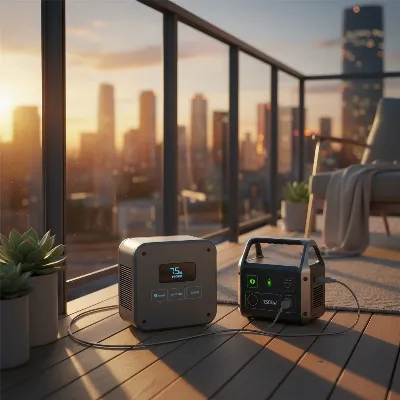 Compact portable generator on a small apartment balcony with city view during sunset, focusing on size and urban setting.
Crucial Factors When Choosing a Portable Generator for Apartments
Selecting the best compact portable generator for an apartment involves a unique set of considerations compared to choosing one for a house or outdoor job site. Safety, noise, size, and fuel type are paramount.
Wattage: Determining Your Apartment’s Power Needs
|
Our Picks for the Best Portable Generator in 2026
As an Amazon Associate I earn from qualifying purchases.
|
||
| Num | Product | Action |
|---|---|---|
| 1 | Anker SOLIX C1000 Portable Power Station, 1800W (Peak 2400W) Solar Generator, Full Charge in 58 Min, 1056wh LiFePO4 Battery for Home Backup, Power Outages, and Outdoor Camping (Optional Solar Panel) |

|
| 2 | Champion Power Equipment 2500-Watt Dual Fuel Portable Inverter Generator with Quiet Technology and CO Shield |
|
| 3 | maXpeedingrods 2400 Watt Portable Inverter Generator Gas Powered, Bluetooth® App Remote Data Monitor,Only 33lbs, Compact and Lightweight for Outdoor Camping, Home Use |
|
| 4 | BLUETTI Portable Power Station AC180, 1152Wh LiFePO4 Battery Backup w/ 2 1800W (2700W peak) AC Outlets, 0-80% in 45Min, Solar Generator for Camping, Off-grid, Power Outage |
|
| 5 | GENMAX Portable Inverter Generator, 6000W open frame Gas Powered High Speed Engine with Electric Start, Ultra Lightweight for Backup Home Use & Job Site,EPA Compliant (GM6000XiE) |
|
| 6 | Westinghouse 155Wh 150 Peak Watt Portable Power Station & Solar Generator, Modified Sine Wave AC Outlet, Backup Lithium Battery for Camping, Home, Travel, Indoor/Outdoor Use (Solar Panel Not Included) |
|
| 7 | Generac 2,500-Watt Gas Powered Portable Inverter Generator - Lightweight and Compact Design - Produces Clean, Stable Power - Quiet Operation - Great for Home Backup, Camping, and RV Use |
|
| 8 | Honda 664240 EU2200i 2200 Watt Portable Inverter Generator with Co-Minder |
|
| 9 | 5000 Watts Portable Dual Fuel Inverter Generator– Small Gasoline LPG Powered for Home Backup, Camping, RV, Tailgating with CO Protection, Eco Mode, Recoil/Electric/Remote Start, Parallel Capable |
|
| 10 | Anker SOLIX C1000 Gen 2 Portable Power Station, 2,000W (Peak 3,000W) Solar Generator, Full Charge in 49 Min, 1,024Wh LiFePO4 Battery for Home Backup, Power Outages, and Camping (Optional Solar Panel) |
|
Before choosing any generator, you need to calculate your power requirements. For an apartment, this typically means identifying essential items you’d want to power during an outage.
- Starting Watts vs. Running Watts: Some appliances (like refrigerators or microwaves) have a higher starting wattage (surge wattage) for a few seconds before settling into a lower running wattage. Your generator must be able to handle both.
- Typical Apartment Needs: Common essential devices include a refrigerator (600-1200 starting watts, 150-200 running watts), lights (10-100 watts per bulb), phone chargers (5-10 watts), laptops (50-100 watts), and perhaps a small fan (50-75 watts).
- Calculation: List all devices you might use simultaneously, note their running and starting watts, and sum them up to determine your required generator capacity. For most apartment emergency needs, a portable power station with 300W-1000W continuous output is usually sufficient.
Fuel Type and Safety: A Critical Choice for Apartment Dwellers
The fuel type is perhaps the most critical factor for apartment residents.
- Gasoline: Traditional portable generators run on gasoline. These are unsuitable for indoor apartment use due to carbon monoxide emissions, which are deadly and odorless. Storing gasoline in an apartment can also be a fire hazard and may violate building regulations.
- Propane: Propane generators also produce exhaust fumes and carbon monoxide, making them unsafe for indoor use. While propane can be stored more safely than gasoline (in approved cylinders), it still poses a significant risk in confined apartment spaces.
- Diesel: Diesel generators are generally large, noisy, and produce significant fumes, making them completely impractical and unsafe for apartment use.
- Battery-Powered (Portable Power Stations): These are by far the safest and most recommended option for apartments. They emit no fumes, operate silently, and can be used indoors without carbon monoxide risk. They are recharged via wall outlets, solar panels, or car chargers. This is the primary recommendation for apartment living.
- Dual Fuel: While offering flexibility, dual-fuel generators (gasoline/propane) still carry the same indoor safety risks as single-fuel combustion generators.
Operating Time: Fuel Capacity and Battery Life
For combustion generators, operating time depends on fuel tank capacity and engine efficiency. For portable power stations, it’s determined by battery capacity (measured in Watt-hours, Wh) and the load connected.
- Combustion Generators: Larger fuel tanks mean longer run times, but this also means a larger, heavier unit. For apartment scenarios where you might run a few essential items, even a small generator could last several hours.
- Portable Power Stations: A power station with 500Wh could power a 100W light for 5 hours, or keep a smartphone charged for days. Consider your needs and prioritize higher Wh ratings for longer outages. Many come with pass-through charging, allowing you to use them while they recharge.
Noise Level: Maintaining Peace in Shared Spaces
Noise is a major concern in apartments and shared living environments.
- Traditional Generators: Can be very loud (65-80+ dB), which is disruptive to neighbors and apartment complexes.
- Inverter Generators: Significantly quieter (50-65 dB) than conventional generators. While better, they still produce engine noise and exhaust and should ideally be used outdoors (if allowed) and away from windows.
- Portable Power Stations: Operate at 0 dB (silent). This makes them the undisputed choice for indoor apartment use, ensuring you don’t disturb neighbors or violate noise ordinances.
Additional Features: Enhancing Convenience and Safety
- Electric Start: Makes starting easier, often with a push-button.
- Display Screens: Provide real-time data on power output, fuel level, and run time.
- Multiple Outlets: AC, DC, and USB ports offer versatility for different devices.
- Safety Shutoffs: Low oil shutdown, overload protection, and CO shutoff (for combustion generators) are crucial safety features.
- Portability: Wheels, handles, and lightweight designs make moving the unit easier. For apartments, focus on units that are truly compact and easy to store.
Comparing Popular Portable Generator Types for Apartments
When considering a portable generator for an apartment, the primary distinction is between combustion-engine generators (even compact ones) and battery-powered portable power stations. The table below highlights why portable power stations are overwhelmingly the superior choice for apartment dwellers.
Detailed Comparison Table
| Feature | Conventional Portable Generator | Inverter Generator | Portable Power Station |
|---|---|---|---|
| Fuel Type | Gasoline, Propane, Diesel | Gasoline, Propane (often dual-fuel) | Battery (Lithium-ion) |
| Emissions | High (Carbon Monoxide) | Moderate (Carbon Monoxide) | None (Emission-free) |
| Indoor Use | ❌ NEVER SAFE | ❌ NEVER SAFE | ✅ SAFE |
| Noise Level | Loud (65-80+ dB) | Quiet (50-65 dB) | Silent (0 dB) |
| Size/Weight | Moderate to Large, Heavy | Compact to Moderate, Lighter | Very Compact, Light to Moderate |
| Power Output | High (1000W – 10,000W+) | Moderate (1000W – 4000W) | Low to Moderate (300W – 2000W) |
| Runtime | Hours (depends on fuel tank) | Hours (depends on fuel tank) | Hours to Days (depends on Wh) |
| Maintenance | Regular engine upkeep, fuel storage | Regular engine upkeep, fuel storage | Minimal, battery cycles |
| Cost | $300 – $1000+ | $500 – $2000+ | $200 – $2000+ |
| Best For | Outdoor power, large loads | RVs, camping, sensitive electronics | Apartments, indoor use, small devices |
A Buying Guide: Securing the Right Portable Generator for Your Apartment
Navigating the market for a portable power solution can be daunting, but with a clear understanding of your needs and the limitations of apartment living, you can make an informed choice.
Determining Your Usage Needs
Start by making a comprehensive list of what you absolutely need to power during an outage.
- Identify Essential Devices: Is it just your phone and a few lights? Or do you need to keep a medical device, a refrigerator, or your Wi-Fi router running?
- Calculate Total Wattage: Add up the running watts of all devices you expect to use simultaneously. Don’t forget to account for surge wattage for motor-driven appliances. Aim for a portable power station that offers at least 20-30% more capacity than your calculated total running watts to be safe.
- Estimate Runtime: How long do you anticipate needing power? For short outages, a smaller capacity (e.g., 300-500Wh) might suffice. For longer durations, look for 700Wh or more, possibly with solar charging capability if you have a balcony.
> “For apartment dwellers, safety should always be the top priority. Portable power stations eliminate the risks associated with carbon monoxide and flammable fuels, making them the only truly safe option for indoor emergency power.” – Dr. Eleanor Vance, Electrical Engineering Consultant
Budgeting for Your Power Solution
Portable power stations vary widely in price based on capacity, features, and brand.
- Entry-Level (Under $400): Often 200-500Wh, good for charging small electronics, lights, and perhaps a fan.
- Mid-Range ($400 – $800): Typically 500-1000Wh, capable of powering a refrigerator for a few hours, multiple devices, and small appliances. This range offers a good balance of capacity and portability for most apartment needs.
- High-End ($800+): 1000Wh or more, suitable for extended outages or powering more demanding appliances. These can get heavier but offer significant power reserves.
Consider what features are most important to you (e.g., fast charging, solar input, number of outlets) and allocate your budget accordingly.
Brand Reputation and Customer Support
Just like any major purchase, the brand behind your portable power station matters.
- Reputable Brands: Look for brands with a proven track record in portable power, good warranty policies, and positive customer reviews. Some well-known names include Goal Zero, Jackery, EcoFlow, Anker, and BLUETTI.
- Read Reviews: Pay close attention to reviews from other apartment dwellers or those with similar use cases. Look for feedback on reliability, battery longevity, customer service, and actual performance.
- Warranty: A good warranty (e.g., 2-5 years) provides peace of mind and indicates the manufacturer’s confidence in their product.
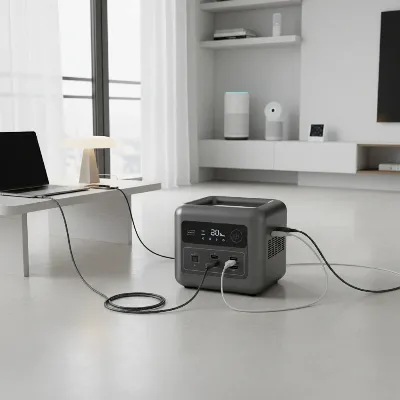 Portable power station on an apartment floor, charging multiple devices in a modern setting.
Top Compact Portable Power Stations for Apartments
Given the strict safety and noise requirements for apartment living, we will focus exclusively on portable power stations (battery-powered generators) as the recommended solution. These units offer the perfect blend of compactness, quiet operation, and zero emissions.
- Jackery Explorer 300/500: These models strike an excellent balance between portability and power. The Explorer 300 offers 293Wh, ideal for charging phones, laptops, and powering small lights for an extended period. The Explorer 500 (518Wh) steps up the capacity, making it suitable for a mini-fridge or a CPAP machine for several hours. Both are incredibly lightweight, easy to store, and feature multiple output ports.
- EcoFlow River 2 / River 2 Pro: EcoFlow’s River series is known for its fast charging capabilities (recharge to 80% in under an hour) and compact design. The River 2 (256Wh) is ultra-portable, while the River 2 Pro (768Wh) offers substantial power for more demanding apartment needs, including powering essential kitchen appliances temporarily. They are also remarkably quiet and feature a durable LiFePO4 battery chemistry for longer lifespan.
- Anker PowerHouse 521 / 535: Anker, a leader in charging technology, offers reliable portable power stations. The PowerHouse 521 (256Wh) and 535 (512Wh) are compact and feature robust build quality. They often come with a high number of USB ports and a convenient light, making them great for emergency kits. Their emphasis on durability and safety makes them a strong contender for apartment use.
- BLUETTI EB3A: This compact power station (268Wh) is a budget-friendly option that doesn’t compromise on features. It offers fast charging, multiple outlets, and a high-quality LiFePO4 battery, making it an excellent entry-level choice for basic apartment backup needs. Its small footprint ensures it tucks away easily.
When choosing among these, consider your specific wattage and runtime requirements. For minimal needs (charging, lights), the smaller capacity models (e.g., Jackery 300, EcoFlow River 2, Anker 521, BLUETTI EB3A) are perfect. If you need to power a small refrigerator or more appliances, step up to the 500-700Wh range (e.g., Jackery 500, EcoFlow River 2 Pro, Anker 535).
Maintaining and Safely Using Your Portable Power Station in an Apartment
Even though portable power stations are significantly safer than fuel-powered generators, proper maintenance and usage are still vital to ensure longevity and continued safety in an apartment setting.
Regular Maintenance Tips
- Charge Regularly: While LiFePO4 batteries are robust, all batteries benefit from regular use and charging. Try to fully charge and discharge your power station every 3-6 months to keep the battery healthy. Avoid leaving it completely depleted for long periods.
- Store Properly: Store your portable power station in a cool, dry place, away from direct sunlight, extreme temperatures, and moisture. Ensure it’s not exposed to anything that could damage its casing or ports.
- Keep Clean: Periodically wipe down the exterior with a dry or slightly damp cloth. Ensure vents (if any) are clear of dust and debris to allow for proper heat dissipation.
- Check Cables and Ports: Inspect charging cables and output ports for any signs of wear, fraying, or damage. Replace damaged cables immediately.
Essential Safety Guidelines for Apartment Use
- Indoor Use is Safe: As discussed, portable power stations are safe for indoor use because they produce no fumes. Place them on a stable, flat surface away from water.
- Avoid Overloading: Do not connect devices that collectively exceed the power station’s maximum output wattage. Overloading can trigger safety shutdowns and potentially damage the unit or the connected devices.
- Proper Ventilation: While they don’t produce exhaust, some portable power stations can generate a small amount of heat during heavy use or charging. Ensure there is adequate airflow around the unit, especially if it has cooling fans, to prevent overheating.
- Keep Away from Flammables: Although battery-powered, always keep your power station away from highly flammable materials, just as a general safety practice.
- Children and Pets: Store the power station out of reach of small children and pets to prevent accidental damage or tampering.
- Read the Manual: Always refer to the manufacturer’s user manual for specific safety instructions, charging guidelines, and maintenance procedures for your particular model.
Troubleshooting Common Issues
- Not Charging: Check if the power adapter is correctly plugged into both the wall outlet and the power station. Try a different outlet or adapter if available. Ensure the charging port is clean.
- No Output: Confirm the power station is turned on. Check if the specific output port (AC, DC, USB) is activated (some have separate buttons). Ensure the connected device is working correctly and not drawing more power than the station can provide.
- Overload Protection Triggered: If the power station shuts down, you’ve likely exceeded its output capacity. Unplug some devices and restart the unit.
- Display Issues: If the screen isn’t working or showing errors, try a full power cycle (turn off, wait, turn on). If problems persist, consult the manufacturer’s support.
Conclusion
Choosing the best compact portable generator for apartment living boils down to prioritizing safety, quiet operation, and emission-free power. While traditional fuel-powered generators pose significant risks in confined spaces, modern portable power stations offer a robust, reliable, and apartment-friendly solution. By carefully assessing your power needs, understanding the benefits of battery-powered units, and selecting a reputable brand, you can ensure your apartment remains powered and comfortable during unexpected outages. Invest in a portable power station today and experience the peace of mind that comes with reliable, safe backup power.
What essential appliances would you prioritize powering in your apartment during an outage?
Frequently Asked Questions
Can I use a gasoline portable generator on my apartment balcony?
No, using a gasoline portable generator on an apartment balcony is generally unsafe and often prohibited by building regulations and local ordinances. The exhaust fumes contain carbon monoxide, a deadly, odorless gas that can easily enter your apartment or neighboring units, posing a severe health risk. Noise pollution is also a major concern.
How much wattage do I need for a portable power station in an apartment?
For most apartment dwellers, a portable power station with a continuous output between 300W and 1000W (and a battery capacity of 300Wh to 1000Wh) is usually sufficient. This range can power essential devices like phones, laptops, lights, a Wi-Fi router, and potentially a small refrigerator or fan for several hours during an outage.
Are portable power stations allowed in apartments?
Yes, portable power stations (battery-powered generators) are generally allowed and recommended for apartments. They are silent, produce no fumes, and store no flammable fuel, making them safe for indoor use. Always check your building’s specific rules or HOA guidelines if you have any concerns.
How long does a portable power station last on a single charge?
The runtime of a portable power station depends on its battery capacity (measured in Watt-hours, Wh) and the total wattage of the devices you connect. For example, a 500Wh power station could run a 100W light for approximately 5 hours (500Wh / 100W = 5 hours), or charge a 10Wh smartphone 50 times.
Can I charge a portable power station with solar panels on my balcony?
Yes, many portable power stations can be recharged using compatible solar panels. If your apartment has a balcony or access to direct sunlight, connecting solar panels can provide a sustainable and cost-effective way to recharge your power station, extending its utility during prolonged outages.
