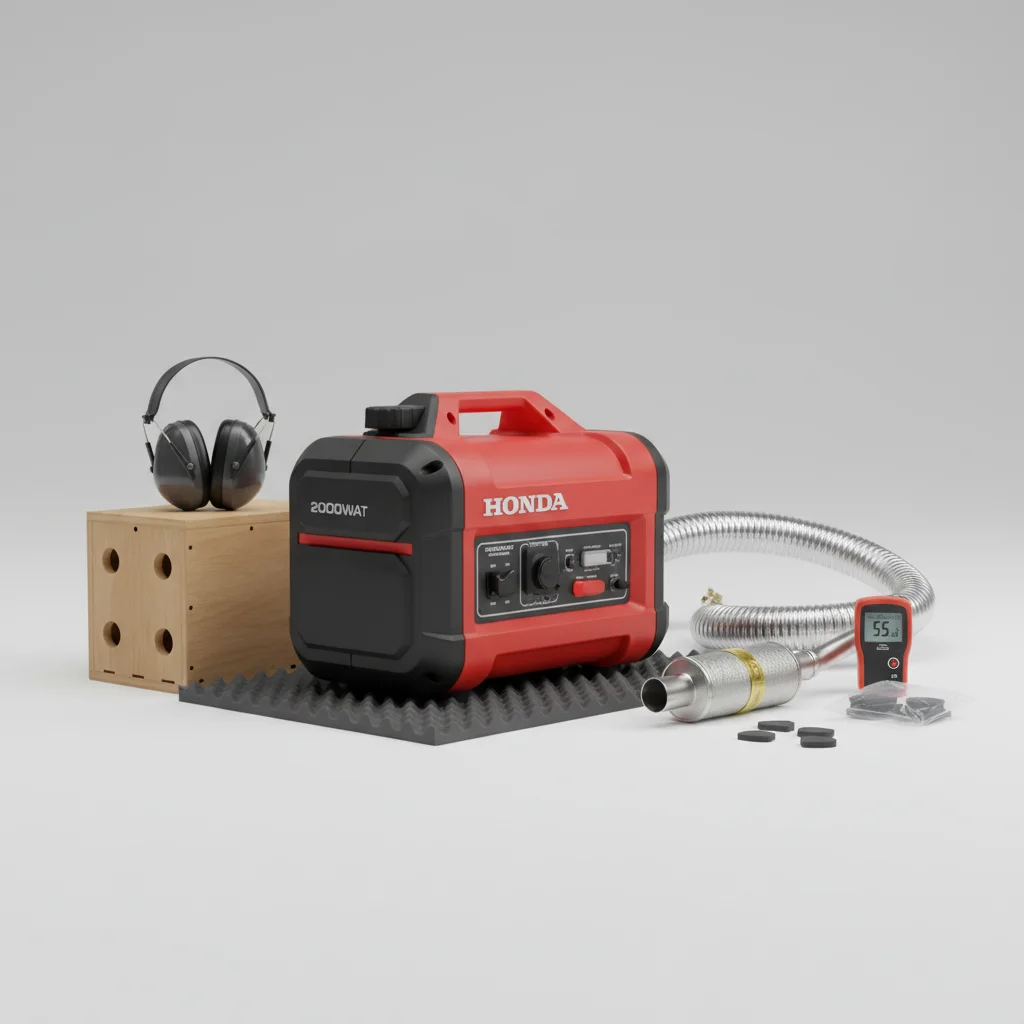
Reducing portable generator noise is crucial for a more pleasant experience, whether you’re camping, tailgating, or using it for home backup. You can significantly quiet your unit by implementing five key strategies, ranging from simple positioning adjustments to more involved modifications. Understanding these methods will help you enjoy reliable power without the disruptive roar.
Understanding Generator Noise Sources
Portable generators produce noise primarily from two sources: the engine’s combustion and mechanical vibrations, and the exhaust system. The engine itself generates a significant amount of sound through its moving parts and the combustion process. Additionally, the exhaust expels high-pressure gases, creating a distinct, often loud, popping or rumbling sound. Identifying these sources is the first step in effective noise reduction. For best portable generator roundups on this site.
Strategic Placement and Enclosures
One of the simplest yet most effective ways to reduce perceived noise is through strategic placement. Position your generator as far away from your primary activity area as safely possible, ideally behind a barrier like a building or a dense bush line. Sound travels in waves, and distance, combined with obstacles, can significantly dampen its impact. For a more robust solution, consider a DIY sound-dampening enclosure. These enclosures are typically constructed from plywood or similar materials, lined with acoustic foam or mass-loaded vinyl. Ensure proper ventilation to prevent overheating and maintain safe operation.
Muffler Upgrades and Exhaust Modifications
|
Our Picks for the Best Portable Generator in 2026
As an Amazon Associate I earn from qualifying purchases.
|
||
| Num | Product | Action |
|---|---|---|
| 1 | Westinghouse 155Wh 150 Peak Watt Portable Power Station & Solar Generator, Modified Sine Wave AC Outlet, Backup Lithium Battery for Camping, Home, Travel, Indoor/Outdoor Use (Solar Panel Not Included) |

|
| 2 | Champion Power Equipment 2500-Watt Dual Fuel Portable Inverter Generator with Quiet Technology and CO Shield |
|
| 3 | Honda 664240 EU2200i 2200 Watt Portable Inverter Generator with Co-Minder |
|
| 4 | Anker SOLIX C1000 Portable Power Station, 1800W (Peak 2400W) Solar Generator, Full Charge in 58 Min, 1056wh LiFePO4 Battery for Home Backup, Power Outages, and Outdoor Camping (Optional Solar Panel) |
|
| 5 | GENMAX Portable Inverter Generator, 6000W open frame Gas Powered High Speed Engine with Electric Start, Ultra Lightweight for Backup Home Use & Job Site,EPA Compliant (GM6000XiE) |
|
| 6 | maXpeedingrods 2400 Watt Portable Inverter Generator Gas Powered, Bluetooth® App Remote Data Monitor,Only 33lbs, Compact and Lightweight for Outdoor Camping, Home Use |
|
| 7 | BLUETTI Portable Power Station AC180, 1152Wh LiFePO4 Battery Backup w/ 2 1800W (2700W peak) AC Outlets, 0-80% in 45Min, Solar Generator for Camping, Off-grid, Power Outage |
|
| 8 | Generac 2,500-Watt Gas Powered Portable Inverter Generator - Lightweight and Compact Design - Produces Clean, Stable Power - Quiet Operation - Great for Home Backup, Camping, and RV Use |
|
| 9 | Anker SOLIX C1000 Gen 2 Portable Power Station, 2,000W (Peak 3,000W) Solar Generator, Full Charge in 49 Min, 1,024Wh LiFePO4 Battery for Home Backup, Power Outages, and Camping (Optional Solar Panel) |
|
| 10 | 5000 Watts Portable Dual Fuel Inverter Generator– Small Gasoline LPG Powered for Home Backup, Camping, RV, Tailgating with CO Protection, Eco Mode, Recoil/Electric/Remote Start, Parallel Capable |
|
The exhaust system is a major contributor to generator noise. Upgrading your generator’s muffler to a larger, automotive-style muffler can dramatically reduce sound output. These mufflers are designed to dissipate exhaust gases more efficiently and quietly. Another modification involves extending the exhaust pipe away from the generator, directing the sound away from your immediate area. Always ensure any exhaust modifications do not impede the generator’s performance or create a carbon monoxide hazard.
Anti-Vibration Mounts and Pads
Vibrations from the generator’s engine can transfer to the ground and surrounding surfaces, amplifying the noise. Installing anti-vibration mounts or pads beneath your generator can absorb these vibrations, preventing them from resonating. These can be as simple as rubber mats or more specialized isolation feet designed for heavy machinery. This small investment can make a noticeable difference in overall noise levels, especially on hard surfaces.
Regular Maintenance and Load Management
A well-maintained generator runs more smoothly and quietly. Regularly check and replace worn parts, ensure proper oil levels, and keep the air filter clean. A dirty air filter or an engine running inefficiently can lead to increased noise. Furthermore, avoid overloading your generator. When a generator is pushed to its maximum capacity, its engine works harder, resulting in increased noise. Running it at a moderate load, typically 50-75% of its rated capacity, can help keep noise levels down.
- Ensure proper ventilation for any enclosure to prevent carbon monoxide buildup.
- Never operate a generator indoors or in enclosed spaces.
- Regularly inspect exhaust systems for leaks or damage.
- Use hearing protection when working near a running generator.
- Consult your generator’s manual before making any significant modifications.
