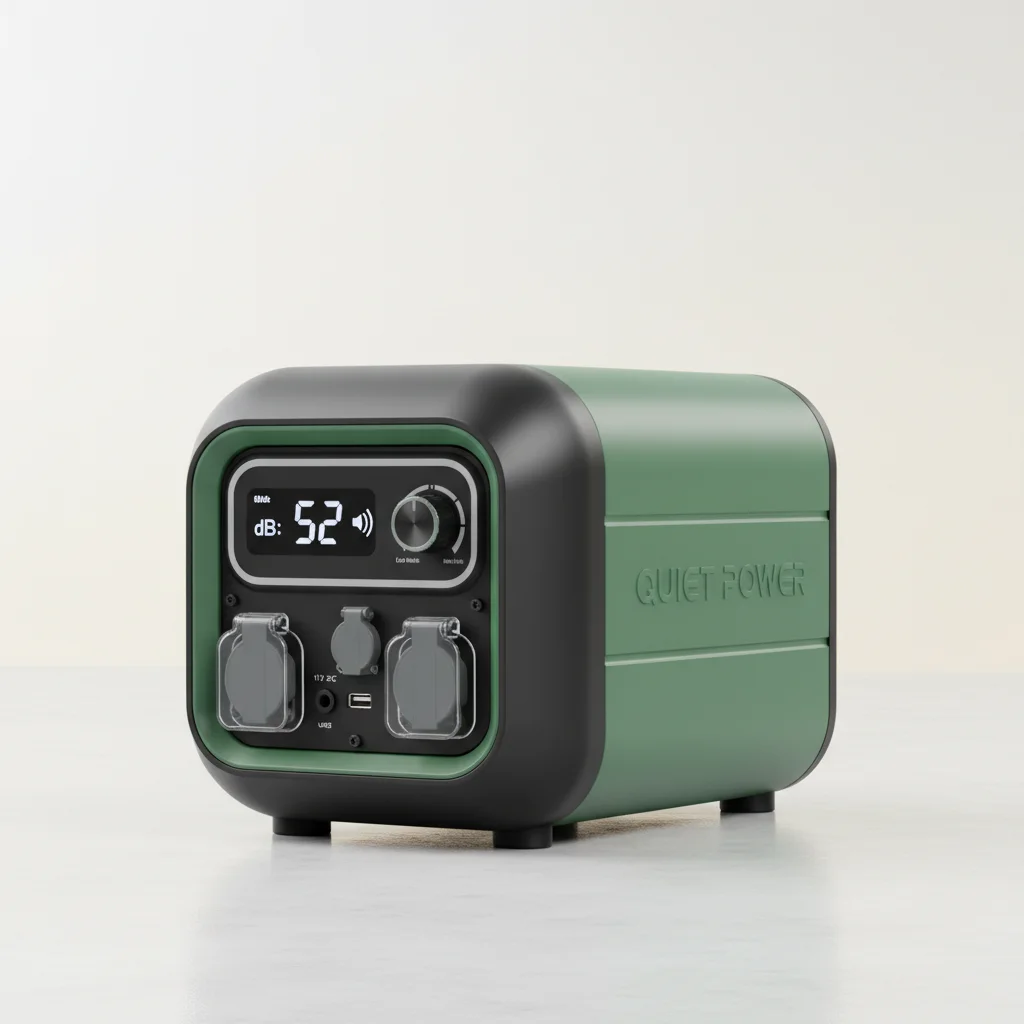
Understanding portable generator noise levels is crucial for both user comfort and compliance with local regulations. Generally, an acceptable noise level for a portable generator ranges from 50 to 70 decibels (dB) at a distance of 23 feet. Anything above 70 dB can be considered quite loud, while generators operating below 60 dB are often labeled as quiet or super quiet, making them ideal for residential areas or camping.
Understanding Decibel Ratings and Their Impact
Decibel (dB) is the unit used to measure sound intensity. The decibel scale is logarithmic, meaning a small increase in dB represents a large increase in sound intensity. For instance, a 10 dB increase signifies a sound that is perceived to be twice as loud. A normal conversation typically occurs around 60 dB, while a vacuum cleaner operates at about 70 dB. When evaluating portable generators, manufacturers usually provide a noise rating measured at a specific distance, often 7 meters (23 feet), which is important for accurate comparison. For more portable generator guides on this site.
Factors Influencing Generator Noise Output
Several factors contribute to how loud a portable generator will be. The type of generator plays a significant role; inverter generators are inherently quieter than conventional open-frame generators due to their enclosed design and variable engine speed. Engine size and fuel type also matter, with larger engines generally producing more noise. Additionally, the generator’s construction, including sound-dampening materials and exhaust system design, directly impacts its acoustic performance. Proper maintenance, such as keeping the muffler in good condition, can also help mitigate noise.
When Quiet Matters: Applications and Regulations
|
Our Picks for the Best Portable Generator in 2026
As an Amazon Associate I earn from qualifying purchases.
|
||
| Num | Product | Action |
|---|---|---|
| 1 | Champion Power Equipment 2500-Watt Dual Fuel Portable Inverter Generator with Quiet Technology and CO Shield |

|
| 2 | Honda 664240 EU2200i 2200 Watt Portable Inverter Generator with Co-Minder |
|
| 3 | BLUETTI Portable Power Station AC180, 1152Wh LiFePO4 Battery Backup w/ 2 1800W (2700W peak) AC Outlets, 0-80% in 45Min, Solar Generator for Camping, Off-grid, Power Outage |
|
| 4 | Westinghouse 155Wh 150 Peak Watt Portable Power Station & Solar Generator, Modified Sine Wave AC Outlet, Backup Lithium Battery for Camping, Home, Travel, Indoor/Outdoor Use (Solar Panel Not Included) |
|
| 5 | Anker SOLIX C1000 Portable Power Station, 1800W (Peak 2400W) Solar Generator, Full Charge in 58 Min, 1056wh LiFePO4 Battery for Home Backup, Power Outages, and Outdoor Camping (Optional Solar Panel) |
|
| 6 | Generac 2,500-Watt Gas Powered Portable Inverter Generator - Lightweight and Compact Design - Produces Clean, Stable Power - Quiet Operation - Great for Home Backup, Camping, and RV Use |
|
| 7 | GENMAX Portable Inverter Generator, 6000W open frame Gas Powered High Speed Engine with Electric Start, Ultra Lightweight for Backup Home Use & Job Site,EPA Compliant (GM6000XiE) |
|
| 8 | Anker SOLIX C1000 Gen 2 Portable Power Station, 2,000W (Peak 3,000W) Solar Generator, Full Charge in 49 Min, 1,024Wh LiFePO4 Battery for Home Backup, Power Outages, and Camping (Optional Solar Panel) |
|
| 9 | maXpeedingrods 2400 Watt Portable Inverter Generator Gas Powered, Bluetooth® App Remote Data Monitor,Only 33lbs, Compact and Lightweight for Outdoor Camping, Home Use |
|
| 10 | 5000 Watts Portable Dual Fuel Inverter Generator– Small Gasoline LPG Powered for Home Backup, Camping, RV, Tailgating with CO Protection, Eco Mode, Recoil/Electric/Remote Start, Parallel Capable |
|
The importance of a quiet portable generator varies depending on its intended use. For camping, RVing, or residential backup power, lower noise levels are highly desirable to avoid disturbing neighbors or disrupting the peace. Many campgrounds and homeowner associations have strict noise ordinances, often limiting generator operation to specific hours or requiring units below a certain decibel threshold. Before purchasing, it’s wise to check local regulations to ensure compliance. For construction sites or remote job sites, noise might be less of a concern, but worker comfort and communication can still be affected by excessively loud machinery.
- Check local noise ordinances before purchasing a generator.
- Consider inverter generators for quiet operation in sensitive areas.
- Look for models with sound-dampening enclosures and advanced mufflers.
- Position your generator as far as safely possible from living spaces.
- Perform regular maintenance to ensure optimal and quiet performance.
Strategies for Reducing Generator Noise
Even with a relatively quiet generator, there are several strategies you can employ to further reduce its noise output. Positioning the generator on a soft surface, like grass or dirt, can help absorb vibrations. Building a sound-dampening enclosure, often referred to as a generator dog house, can significantly reduce noise, though proper ventilation is critical to prevent overheating. Using exhaust extenders to direct fumes and noise away from your immediate area is another effective method. Additionally, anti-vibration mats placed under the generator can minimize ground-borne noise.
When selecting a portable generator, always prioritize models that explicitly state their decibel rating. Compare these ratings at the same distance for an accurate assessment. Investing in a quieter model upfront can save you from potential noise complaints and enhance your overall experience, especially if you plan to use it in noise-sensitive environments. Remember that while some noise is inevitable with any combustion engine, modern technology offers many options for significantly quieter operation.
