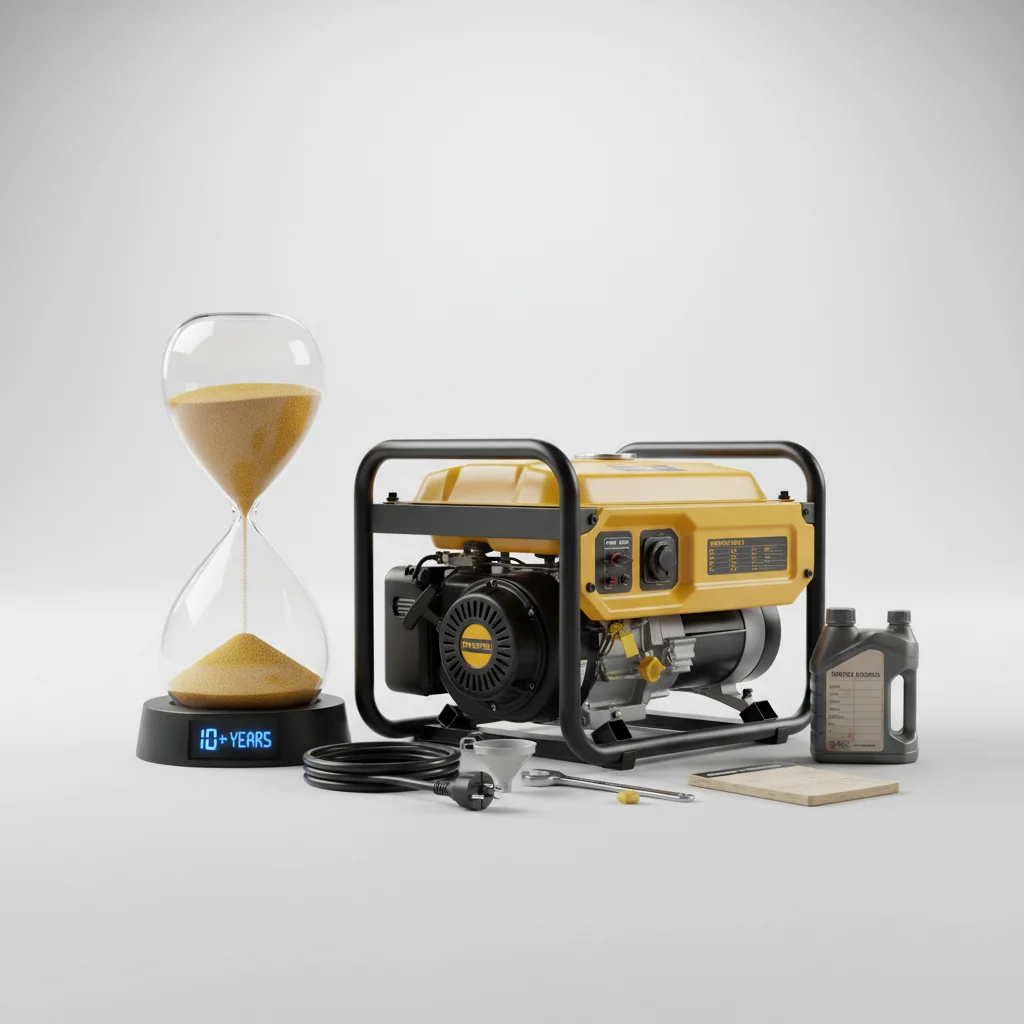
A portable generator’s lifespan typically ranges from 1,000 to 3,000 operating hours, which translates to approximately 5 to 15 years for an average homeowner using it for occasional power outages or recreational activities. This wide range depends heavily on factors like maintenance, usage frequency, and the initial quality of the unit. Understanding these variables can help you maximize your generator’s operational life and ensure it’s ready when you need it most.
Factors Influencing Generator Longevity
Several key factors dictate how long your portable generator will last. Regular maintenance is paramount; neglecting oil changes, air filter cleaning, and spark plug replacements can significantly shorten its life. The quality of the generator’s components also plays a crucial role. Higher-end models often feature more durable engines and better construction, leading to a longer operational lifespan compared to budget-friendly alternatives. Furthermore, the type of fuel used can impact engine wear over time, with propane generally burning cleaner than gasoline.
Maximizing Your Generator’s Operating Hours
To get the most out of your portable generator, adhere to the manufacturer’s recommended maintenance schedule. This includes checking and changing the oil every 50-100 hours of operation, cleaning or replacing the air filter regularly, and inspecting the spark plug annually. Storing your generator properly in a dry, protected environment when not in use, and stabilizing fuel if storing for extended periods, will also prevent common issues. Running the generator under a moderate load, rather than consistently at its maximum capacity, can also reduce strain on the engine and extend its life.
- Perform oil changes every 50-100 hours of use.
- Clean or replace the air filter regularly to ensure proper airflow.
- Inspect and replace the spark plug annually or as needed.
- Use fuel stabilizer for long-term storage to prevent fuel degradation.
- Store the generator in a dry, protected area away from extreme temperatures.
Common Issues That Shorten Generator Life
|
Our Picks for the Best Portable Generator in 2026
As an Amazon Associate I earn from qualifying purchases.
|
||
| Num | Product | Action |
|---|---|---|
| 1 | Anker SOLIX C1000 Gen 2 Portable Power Station, 2,000W (Peak 3,000W) Solar Generator, Full Charge in 49 Min, 1,024Wh LiFePO4 Battery for Home Backup, Power Outages, and Camping (Optional Solar Panel) |

|
| 2 | Anker SOLIX C1000 Portable Power Station, 1800W (Peak 2400W) Solar Generator, Full Charge in 58 Min, 1056wh LiFePO4 Battery for Home Backup, Power Outages, and Outdoor Camping (Optional Solar Panel) |
|
| 3 | Generac 2,500-Watt Gas Powered Portable Inverter Generator - Lightweight and Compact Design - Produces Clean, Stable Power - Quiet Operation - Great for Home Backup, Camping, and RV Use |
|
| 4 | GENMAX Portable Inverter Generator, 6000W open frame Gas Powered High Speed Engine with Electric Start, Ultra Lightweight for Backup Home Use & Job Site,EPA Compliant (GM6000XiE) |
|
| 5 | Champion Power Equipment 2500-Watt Dual Fuel Portable Inverter Generator with Quiet Technology and CO Shield |
|
| 6 | Westinghouse 155Wh 150 Peak Watt Portable Power Station & Solar Generator, Modified Sine Wave AC Outlet, Backup Lithium Battery for Camping, Home, Travel, Indoor/Outdoor Use (Solar Panel Not Included) |
|
| 7 | maXpeedingrods 2400 Watt Portable Inverter Generator Gas Powered, Bluetooth® App Remote Data Monitor,Only 33lbs, Compact and Lightweight for Outdoor Camping, Home Use |
|
| 8 | BLUETTI Portable Power Station AC180, 1152Wh LiFePO4 Battery Backup w/ 2 1800W (2700W peak) AC Outlets, 0-80% in 45Min, Solar Generator for Camping, Off-grid, Power Outage |
|
| 9 | Honda 664240 EU2200i 2200 Watt Portable Inverter Generator with Co-Minder |
|
| 10 | 5000 Watts Portable Dual Fuel Inverter Generator– Small Gasoline LPG Powered for Home Backup, Camping, RV, Tailgating with CO Protection, Eco Mode, Recoil/Electric/Remote Start, Parallel Capable |
|
Several common problems can prematurely end your portable generator’s life. Neglecting to change the oil is a leading cause of engine failure due to increased friction and heat. Using old or contaminated fuel can clog the carburetor and fuel lines, leading to poor performance and potential engine damage. Overloading the generator beyond its rated capacity puts excessive stress on the engine and alternator, which can cause components to fail. Additionally, improper storage, such as leaving it exposed to the elements, can lead to rust and corrosion, damaging electrical components and the engine itself. Addressing these issues proactively can prevent costly repairs and extend the unit’s service life.
For those looking to invest in a new, long-lasting portable generator, consider models known for their robust construction and reliable engines. Brands that offer extensive warranties often indicate confidence in their product’s durability. Researching user reviews and expert opinions can provide valuable insights into real-world longevity.These generators are designed with longevity in mind, offering features that contribute to extended operational hours and fewer maintenance headaches. Investing a bit more upfront can often save you money and frustration in the long run by avoiding frequent replacements or repairs.
When to Consider a Replacement
Even with meticulous care, there comes a point when replacing your portable generator becomes more economical than repairing it. If your generator frequently requires expensive repairs, such as engine overhauls or alternator replacements, it might be time for an upgrade. A significant drop in performance, increased fuel consumption, or persistent starting issues that aren’t easily resolved are also indicators. Older generators may also lack modern safety features or fuel efficiency, making a new purchase a wise decision.Modern generators often come with advanced features like automatic CO shutoff, quieter operation, and better fuel economy, offering a compelling reason to upgrade.
