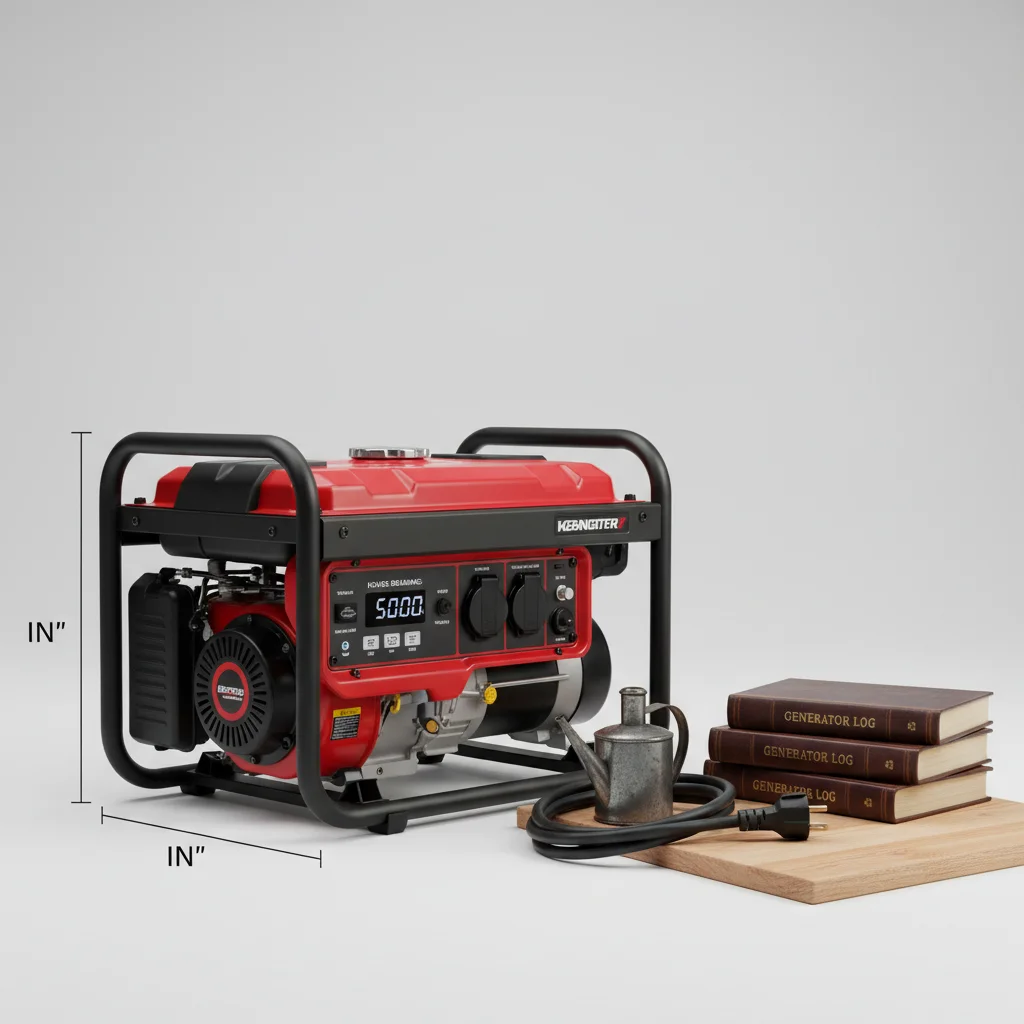
The typical lifespan of a portable generator ranges from 1,000 to 3,000 operating hours, depending on the type, maintenance, and usage. This translates to roughly 10 to 30 years of occasional use for home backup or camping, assuming an average of 100 hours of operation per year. However, heavy-duty models designed for continuous use on job sites can sometimes exceed this, while cheaper, less robust units may fall short.
Factors Influencing Portable Generator Lifespan
Several critical factors determine how long your portable generator will last. Engine quality is paramount; higher-grade engines, often found in premium brands, are built with more durable components and tighter tolerances, leading to extended operational life. The type of fuel also plays a role, with propane and natural gas generally burning cleaner than gasoline, which can reduce carbon buildup and wear over time. Regular and diligent maintenance, including oil changes, air filter replacements, and spark plug checks, is perhaps the most significant contributor to longevity. For complete portable generator library on this site.
Maximizing Your Generator’s Operational Hours
To get the most out of your portable generator, adhere to the manufacturer’s recommended maintenance schedule. This includes performing oil changes every 50-100 hours of operation, cleaning or replacing air filters regularly, and checking spark plugs annually. Always use fresh, high-quality fuel and consider fuel stabilizers for gasoline if storing the generator for extended periods. Avoid overloading the generator, as this can strain the engine and lead to premature wear. Proper storage in a dry, protected environment also prevents rust and corrosion.
- Change oil every 50-100 hours of use.
- Clean or replace air filter regularly.
- Use fresh, stabilized fuel.
- Avoid overloading the generator.
- Store in a dry, protected area.
Common Wear and Tear Components
|
Our Picks for the Best Portable Generator in 2026
As an Amazon Associate I earn from qualifying purchases.
|
||
| Num | Product | Action |
|---|---|---|
| 1 | Westinghouse 155Wh 150 Peak Watt Portable Power Station & Solar Generator, Modified Sine Wave AC Outlet, Backup Lithium Battery for Camping, Home, Travel, Indoor/Outdoor Use (Solar Panel Not Included) |

|
| 2 | Champion Power Equipment 2500-Watt Dual Fuel Portable Inverter Generator with Quiet Technology and CO Shield |
|
| 3 | BLUETTI Portable Power Station AC180, 1152Wh LiFePO4 Battery Backup w/ 2 1800W (2700W peak) AC Outlets, 0-80% in 45Min, Solar Generator for Camping, Off-grid, Power Outage |
|
| 4 | Generac 2,500-Watt Gas Powered Portable Inverter Generator - Lightweight and Compact Design - Produces Clean, Stable Power - Quiet Operation - Great for Home Backup, Camping, and RV Use |
|
| 5 | maXpeedingrods 2400 Watt Portable Inverter Generator Gas Powered, Bluetooth® App Remote Data Monitor,Only 33lbs, Compact and Lightweight for Outdoor Camping, Home Use |
|
| 6 | 5000 Watts Portable Dual Fuel Inverter Generator– Small Gasoline LPG Powered for Home Backup, Camping, RV, Tailgating with CO Protection, Eco Mode, Recoil/Electric/Remote Start, Parallel Capable |
|
| 7 | Anker SOLIX C1000 Portable Power Station, 1800W (Peak 2400W) Solar Generator, Full Charge in 58 Min, 1056wh LiFePO4 Battery for Home Backup, Power Outages, and Outdoor Camping (Optional Solar Panel) |
|
| 8 | Honda 664240 EU2200i 2200 Watt Portable Inverter Generator with Co-Minder |
|
| 9 | GENMAX Portable Inverter Generator, 6000W open frame Gas Powered High Speed Engine with Electric Start, Ultra Lightweight for Backup Home Use & Job Site,EPA Compliant (GM6000XiE) |
|
| 10 | Anker SOLIX C1000 Gen 2 Portable Power Station, 2,000W (Peak 3,000W) Solar Generator, Full Charge in 49 Min, 1,024Wh LiFePO4 Battery for Home Backup, Power Outages, and Camping (Optional Solar Panel) |
|
Over time, certain components in a portable generator are more prone to wear and tear. The carburetor can become clogged with fuel deposits, especially if old gasoline is left in the tank. Spark plugs degrade, leading to inefficient combustion. The battery, if present for electric start models, will eventually lose its charge capacity. Additionally, the alternator brushes and voltage regulator can wear out, affecting power output. Being aware of these common failure points allows for proactive maintenance and timely replacements, extending the overall life of the unit.
When to Consider a Replacement
While proper maintenance can significantly extend a generator’s life, there comes a point when replacement becomes more cost-effective than continuous repairs. If your generator frequently breaks down, requires expensive parts, or struggles to maintain a stable power output, it might be time to invest in a new one. Modern generators often offer improved fuel efficiency, quieter operation, and advanced safety features that older models lack. Consider the cost of repairs versus the cost of a new unit, factoring in the benefits of newer technology.For those seeking a reliable upgrade, exploring models with advanced inverter technology can provide a more stable power output and quieter operation, making them ideal for sensitive electronics and residential use.
