Unexpected power outages can disrupt our lives, from losing refrigeration to interrupting essential work. For over a decade, I’ve worked with countless portable generators, witnessing their evolution from noisy, inefficient workhorses to sophisticated power companions. Whether you’re preparing for emergencies, powering a remote campsite, or keeping sensitive electronics safe, understanding the core differences between inverter generators and conventional portable generators is crucial. This guide will leverage my hands-on experience to help you navigate the options and select the ideal portable generator to meet your specific needs in 2026.
What is an Inverter Generator?
An inverter generator represents a significant advancement in portable power technology, designed to provide cleaner, more stable electricity. Unlike traditional models, an inverter generator first produces high-frequency AC power, then converts it to DC, and finally inverts it back to a stable AC current. This multi-step process ensures a pure sine wave output, closely mimicking the electricity from your home’s wall outlets.
These generators are highly favored for their efficiency and quiet operation. They typically feature an engine that automatically adjusts its speed to match the electrical load, meaning it doesn’t always run at full throttle. This adaptability makes them ideal for sensitive electronics, recreational activities like camping and RVing, and light home backup needs where noise levels are a concern.
What is a Conventional Portable Generator?
A conventional portable generator, often simply called a standard generator, is a more traditional power solution that has been a staple for emergency backup and job site power for decades. These units produce AC power directly from their engine and alternator, operating at a constant, fixed engine speed (typically 3,600 RPM) regardless of the actual power demand. This continuous operation allows them to deliver substantial power output.
Conventional portable generators are known for their robust construction and ability to handle heavy-duty applications. They are commonly found on construction sites, used for powering large tools, or serving as a primary backup power source for essential home appliances during extended outages. Their straightforward design often translates to a lower upfront cost, making them an accessible option for those prioritizing raw power over nuanced features like quiet operation or ultra-clean electricity.
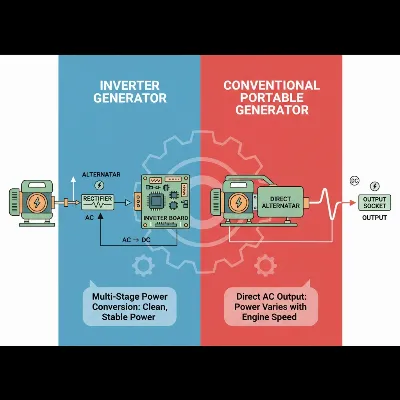 Illustration showing the internal workings of an inverter generator compared to a conventional portable generator, highlighting their different power generation processes.
Key Differences: Inverter vs. Portable Generator
The distinction between inverter and conventional portable generators extends far beyond just their names. These fundamental differences impact performance, usability, and suitability for various tasks, making it essential to understand them before making a choice.
Power Output & Quality (THD)
|
Our Picks for the Best Portable Generator in 2026
As an Amazon Associate I earn from qualifying purchases.
|
||
| Num | Product | Action |
|---|---|---|
| 1 | 5000 Watts Portable Dual Fuel Inverter Generator– Small Gasoline LPG Powered for Home Backup, Camping, RV, Tailgating with CO Protection, Eco Mode, Recoil/Electric/Remote Start, Parallel Capable |

|
| 2 | Honda 664240 EU2200i 2200 Watt Portable Inverter Generator with Co-Minder |
|
| 3 | Anker SOLIX C1000 Portable Power Station, 1800W (Peak 2400W) Solar Generator, Full Charge in 58 Min, 1056wh LiFePO4 Battery for Home Backup, Power Outages, and Outdoor Camping (Optional Solar Panel) |
|
| 4 | Anker SOLIX C1000 Gen 2 Portable Power Station, 2,000W (Peak 3,000W) Solar Generator, Full Charge in 49 Min, 1,024Wh LiFePO4 Battery for Home Backup, Power Outages, and Camping (Optional Solar Panel) |
|
| 5 | GENMAX Portable Inverter Generator, 6000W open frame Gas Powered High Speed Engine with Electric Start, Ultra Lightweight for Backup Home Use & Job Site,EPA Compliant (GM6000XiE) |
|
| 6 | BLUETTI Portable Power Station AC180, 1152Wh LiFePO4 Battery Backup w/ 2 1800W (2700W peak) AC Outlets, 0-80% in 45Min, Solar Generator for Camping, Off-grid, Power Outage |
|
| 7 | Champion Power Equipment 2500-Watt Dual Fuel Portable Inverter Generator with Quiet Technology and CO Shield |
|
| 8 | Westinghouse 155Wh 150 Peak Watt Portable Power Station & Solar Generator, Modified Sine Wave AC Outlet, Backup Lithium Battery for Camping, Home, Travel, Indoor/Outdoor Use (Solar Panel Not Included) |
|
| 9 | Generac 2,500-Watt Gas Powered Portable Inverter Generator - Lightweight and Compact Design - Produces Clean, Stable Power - Quiet Operation - Great for Home Backup, Camping, and RV Use |
|
| 10 | maXpeedingrods 2400 Watt Portable Inverter Generator Gas Powered, Bluetooth® App Remote Data Monitor,Only 33lbs, Compact and Lightweight for Outdoor Camping, Home Use |
|
This is perhaps the most critical difference, especially in today’s electronic-heavy world. Conventional generators produce power directly, which can result in a “dirty” power output with high Total Harmonic Distortion (THD), sometimes exceeding 6% or even 20%. This fluctuating power can be harmful to sensitive electronics like laptops, smartphones, smart TVs, and medical equipment, potentially causing malfunctions or permanent damage.
In contrast, inverter generators excel at delivering “clean” power with very low THD, typically less than 3% and often under 1.5%. This pure sine wave output is identical to grid power, making inverter generators safe for all sensitive electronics. While conventional generators offer higher peak wattage for heavy-duty tools, their power quality can be a significant drawback for modern devices.
Noise Level
Anyone who has been near a running conventional generator can attest to their significant noise output, often ranging from 70 to 90 decibels (dBA) or higher. This is comparable to a running lawnmower or a vacuum cleaner, making them disruptive in quiet environments. Their constant engine speed contributes directly to this high noise level.
Inverter generators, however, are renowned for their quiet operation. Thanks to their variable engine speed, they only run as fast as needed to meet the power demand, resulting in noise levels often between 50 and 65 dBA – similar to a normal conversation or a quiet air conditioner. Their enclosed designs also help muffle sound, making them a preferred choice for camping, residential use, or any situation where noise pollution is a concern.
Fuel Efficiency & Run Time
Fuel efficiency is a major advantage for inverter generators. Because their engines throttle up or down based on the load, they consume less fuel, especially at lighter loads. This intelligent power management can result in 20-50% better fuel efficiency compared to conventional models, leading to longer run times on a single tank and reduced operating costs over time.
Conventional generators, running at a constant high RPM, burn fuel at a steady rate regardless of how much power is actually being drawn. While they may have larger fuel tanks for extended operation, their overall fuel consumption per watt-hour is generally higher. This can mean more frequent refueling and higher fuel expenses during prolonged use.
Portability & Size
Inverter generators are designed with portability in mind. They are typically lighter, more compact, and often feature convenient carrying handles or wheels. This makes them easy to transport to campsites, tailgate parties, or different areas around your home. Their smaller footprint also simplifies storage.
Conventional portable generators, especially those with higher wattage outputs, tend to be bulkier and significantly heavier. While many come with wheels, their size and weight can still make them more challenging to move and store, limiting their versatility for highly portable applications.
Cost
When it comes to initial investment, conventional portable generators generally have a lower upfront cost per watt of power produced. Their simpler technology and long-standing market presence contribute to their affordability, making them an attractive option for budget-conscious buyers who need raw power.
Inverter generators, due to their advanced technology, multi-stage power conversion, and quieter operation, typically come with a higher price tag. However, their superior fuel efficiency and protection for sensitive electronics can offer long-term savings and value, especially for regular users or those with expensive gadgets.
Maintenance
Both types of generators require regular maintenance to ensure longevity and reliable performance. However, due to the more complex electronics in inverter generators, some specific components like the inverter board might require specialized attention if issues arise. Conventional generators, with their simpler mechanical systems, often have more straightforward maintenance tasks but may require more frequent basic servicing like oil changes and spark plug replacements due to their constant high-speed operation. Ultimately, consistent adherence to the manufacturer’s maintenance schedule is key for both.
Table: Key Differences Between Inverter and Conventional Portable Generators
| Feature | Inverter Generator | Conventional Portable Generator |
|---|---|---|
| Power Quality (THD) | Clean power (<3% THD), pure sine wave | “Dirty” power (6-20%+ THD), irregular sine wave |
| Noise Level | Quiet (50-65 dBA), variable engine speed | Loud (70-90+ dBA), constant engine speed |
| Fuel Efficiency | Highly efficient, adjusts to load | Less efficient, constant fuel consumption |
| Portability | Lighter, more compact, easier to transport | Heavier, bulkier, more challenging to move |
| Cost | Higher initial cost | Lower initial cost |
| Typical Wattage | Lower to medium (1,000-4,000W, parallel capable) | Medium to high (3,000-15,000+W) |
| Best Use | Sensitive electronics, camping, RVs, light backup | Heavy-duty tools, construction, whole-home backup |
When to Choose an Inverter Generator
From my perspective, with over a decade in the field, inverter generators are the clear winner for specific scenarios where their unique advantages truly shine. If you are regularly powering sensitive electronics such as laptops, medical devices, or smart home gadgets, an inverter is essential. Its clean, stable power output prevents damage and ensures reliable operation.
“For recreational enthusiasts and those seeking peace, the quiet operation of an inverter generator is unmatched. Imagine camping under the stars without the drone of a loud engine – that’s the inverter advantage.”
They are also the top choice for recreational activities like camping, RV trips, tailgating, and outdoor events. Their quietness allows for enjoyment without disturbing neighbors or nature, and their portability makes them easy to pack and set up. Furthermore, if fuel efficiency and longer run times are priorities, especially when operating at varying or lighter loads, an inverter generator will save you money and hassle in the long run. Lastly, for light home backup where you only need to power a few essential appliances and electronics, their smaller footprint and less intrusive noise make them a practical choice.
When to Choose a Conventional Portable Generator
While inverter technology has advanced, conventional portable generators still hold their ground for applications demanding raw power and durability. If your primary need is to run heavy-duty power tools on a construction site, pump water from a well, or operate large appliances like a central air conditioner during a power outage, a conventional generator is likely your best bet. Their higher wattage output and robust design are built for such demanding tasks.
They are also a more budget-friendly option for those who need significant power output but have a limited initial investment. For infrequent, high-power backup needs where noise and fuel efficiency are secondary concerns, a conventional model offers a cost-effective solution. Many conventional generators also offer versatile fuel options, including gasoline, diesel, and propane, providing flexibility during extended outages when one fuel type might be scarce. My experience tells me that for sheer brute force and affordability, conventional models remain relevant.
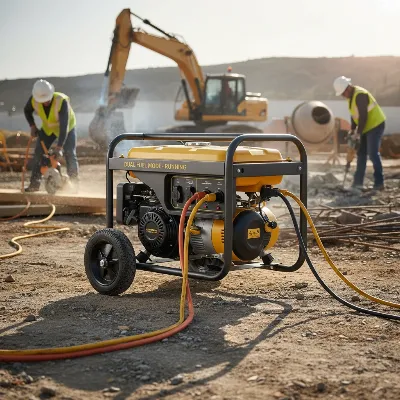 A sturdy conventional portable generator running on a construction site, powering heavy-duty tools, with workers in the background.
Choosing the Right Generator for Your Needs (Buying Guide)
Selecting the right portable generator involves a thoughtful evaluation of your power requirements, intended applications, and practical considerations like budget and brand reputation. As an experienced technician, I’ve guided countless individuals through this decision, and these steps form the foundation of a smart purchase.
Assess Your Power Requirements
Begin by making a detailed list of all the devices and appliances you intend to power. Differentiate between running watts (the continuous power needed) and starting watts (the momentary surge required to start motor-driven appliances). Summing these up will give you your total wattage requirement. Always factor in a buffer – it’s better to have a little more power than not enough. Overloading a generator can lead to efficiency loss and potential damage to both the generator and your appliances.
For instance, a refrigerator might need 600 running watts but 1800 starting watts. A 1500W space heater, however, only needs its running wattage. Prioritize essential items for emergency use, and then consider comfort items if your budget and generator capacity allow.
Consider Your Application
Your primary use case will heavily influence your choice. For recreational use like camping, RVing, or tailgating, the quiet operation, portability, and clean power of an inverter generator are paramount. You want to enjoy the outdoors, not listen to a roaring engine, and protect your portable electronics.
For home backup during power outages, consider both the duration of outages and the types of appliances you need to power. If you only need to keep a refrigerator and a few lights on, a mid-sized inverter might suffice. However, if you plan to power major appliances or central air conditioning, a higher-wattage conventional generator might be more appropriate. For job sites or heavy-duty tasks, the robust power output of a conventional generator is usually preferred.
Budget & Brand Reputation
Portable generators come in a wide range of price points. While a lower initial cost might be appealing, remember to consider the long-term operational costs, including fuel efficiency and maintenance. Higher-priced inverter generators, for example, often justify their cost through significant fuel savings over their lifespan.
Researching reputable brands is also crucial. Look for manufacturers known for reliability, customer support, and readily available parts. Reading user reviews and expert recommendations can provide valuable insights into real-world performance and durability. A trusted brand often translates to better quality, safety features, and a longer warranty, protecting your investment.
Top Portable Generator Models
While I cannot recommend specific models by name without direct product research, it’s worth noting that the market for both inverter and conventional portable generators is robust and constantly evolving. Leading manufacturers consistently offer a diverse range of options, from compact 1,000-watt inverter generators perfect for a weekend camping trip to powerful 10,000-watt conventional units capable of running a substantial portion of your home.
When exploring models, look for key features such as electric start for convenience, multiple fuel options (dual-fuel or tri-fuel capabilities) for versatility, and advanced safety features like low-oil shutoff and automatic CO sensors. For inverter generators, parallel capability—allowing two units to be linked for increased power—is a popular feature that enhances flexibility. For conventional generators, robust frames and heavy-duty wheels improve durability and maneuverability on challenging terrains. Always compare wattage, run time at varying loads, noise levels, and available outlets to find the best fit for your assessed needs.
Maintaining and Using Your Portable Generator Safely
Having operated and serviced countless generators over the years, I cannot stress enough the importance of proper maintenance and adherence to safety protocols. A well-maintained generator is a reliable generator, and safe operation is non-negotiable for your protection and that of your property.
Essential Maintenance Tips
Regular maintenance is the cornerstone of generator longevity and dependable performance. Always consult your owner’s manual for specific recommendations, but here are general guidelines based on my experience:
- Check Oil Levels: Before each use, ensure the oil level is adequate. Change the oil and filter according to the manufacturer’s recommended intervals, typically every 50-100 hours of operation or annually. Dirty oil is a leading cause of engine wear.
- Inspect Air Filter: Clean or replace the air filter regularly. A clogged air filter restricts airflow, reducing efficiency and potentially damaging the engine.
- Spark Plugs: Check spark plugs for wear and tear, and replace them as needed. Healthy spark plugs ensure easy starting and efficient combustion.
- Fuel System: If storing for an extended period, drain the fuel tank or use a fuel stabilizer to prevent gumming and corrosion. Inspect fuel lines for cracks or leaks.
- Battery Inspection (for electric start models): Check battery terminals for corrosion and ensure connections are tight. Keep the battery charged.
- Run It Regularly: Start and run your generator under a light load for 20-30 minutes every month. This lubricates engine components, charges the battery, and cycles fuel, preventing issues from long periods of inactivity.
Crucial Safety Precautions
Operating a portable generator demands strict adherence to safety rules to prevent serious hazards like carbon monoxide (CO) poisoning, electrocution, and fire.
- Outdoor Use ONLY: Never operate a generator indoors, in a garage, basement, crawl space, or any partially enclosed area. Generator exhaust contains deadly carbon monoxide, a colorless, odorless gas. Always place it at least 20 feet away from your home, with the exhaust directed away from windows, doors, and vents.
- Install CO Alarms: Place battery-operated CO alarms inside your home to provide an extra layer of protection.
- Keep It Dry: Generators and electricity do not mix with water. Operate your generator on a dry, level surface under an open, canopy-like structure to protect it from rain or snow. Never touch a generator with wet hands.
- Prevent Backfeeding: Never plug a generator directly into a wall outlet of your home. This dangerous practice, known as backfeeding, can electrify utility lines and injure or kill utility workers. If you plan to connect your generator to your home’s electrical system, have a qualified electrician install a transfer switch.
- Use Proper Cords: Use heavy-duty, outdoor-rated extension cords that are appropriately gauged for the electrical load. Inspect cords for damage before each use.
- Fuel Safety: Turn off the generator and allow it to cool completely before refueling. Store fuel in approved, labeled containers in a cool, dry, well-ventilated area, away from ignition sources and out of reach of children.
- Avoid Overloading: Do not overload your generator. Operating more appliances than its rated capacity can damage the unit and lead to overheating, posing a fire risk.
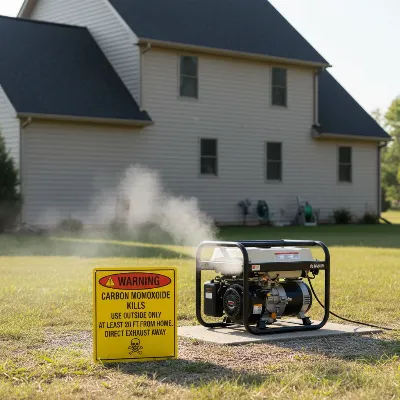 A portable generator running outdoors, far from a house, with a clear warning sign about carbon monoxide danger.
Conclusion
Choosing between an inverter and a conventional portable generator hinges entirely on understanding your specific needs. From my years of experience, I’ve seen both types provide invaluable power when the grid goes down or when you venture off-grid. Inverter generators offer clean, quiet, and fuel-efficient power ideal for sensitive electronics and recreational activities, while conventional portable generators deliver robust, high-wattage output for heavy-duty applications and larger backup requirements.
By carefully assessing your power demands, considering your primary applications, and adhering to strict maintenance and safety guidelines, you can confidently select the portable generator that will reliably serve you for years to come. What are your most critical power needs, and which generator type seems to align best with them?
Frequently Asked Questions
Is an inverter generator really worth the higher cost?
For many users, especially those needing to power sensitive electronics or desiring quiet operation for recreational use, the higher upfront cost of an inverter generator is well worth it. The long-term fuel savings and protection for expensive gadgets often justify the initial investment.
Can I run a conventional portable generator indoors with a window open?
Absolutely not. Running any gasoline- or propane-powered generator indoors, even with windows or doors open, is extremely dangerous and can lead to fatal carbon monoxide poisoning. Generators must always be operated outdoors in well-ventilated areas, at least 20 feet away from any openings to your home.
How do I know how many watts I need for my portable generator?
To determine your wattage needs, list all the appliances and devices you plan to power. Find their running watts and starting watts (if they have a motor). Add up the running watts for all items, and for motor-driven appliances, identify the highest starting wattage among them. Your generator needs to meet this running total and handle the highest starting surge.
Can I connect an inverter generator to my home’s electrical panel?
Yes, but only through a professionally installed transfer switch. This device safely isolates your home’s electrical system from the utility grid, preventing dangerous backfeeding and allowing your generator to power select circuits in your home. Never plug a generator directly into a wall outlet.
How often should I perform maintenance on my portable generator?
Regular maintenance is key. You should check oil levels before each use. Run the generator under a light load for 20-30 minutes monthly. Oil and filter changes, as well as spark plug inspections, are typically recommended every 50-100 hours of operation or at least annually, depending on use. Always consult your owner’s manual for precise schedules.
What is “Total Harmonic Distortion” and why does it matter?
Total Harmonic Distortion (THD) is a measure of how clean or “pure” the electricity produced by a generator is. High THD (common in conventional generators) indicates unstable power that can damage sensitive electronics. Low THD (found in inverter generators) means cleaner, stable power, making it safe for all modern devices, similar to grid electricity.
Can I use different types of fuel in my portable generator?
Some modern portable generators are “dual-fuel” or “tri-fuel,” meaning they can run on gasoline, propane, and sometimes natural gas. This offers versatility, especially during emergencies. Always check your specific generator’s specifications to ensure it is designed to use multiple fuel types before attempting to do so.
