To safely winterize a portable generator, you must prepare the fuel system, perform engine maintenance, care for the battery, and ensure proper exterior protection and storage. This process typically takes 1-2 hours and involves steps like adding fuel stabilizer, changing the oil, inspecting the spark plug, and fully charging the battery. Neglecting these steps can lead to breakdowns, costly repairs, and unreliable performance when power is needed most.
What is Winterizing a Portable Generator?
Winterizing a portable generator involves a series of maintenance procedures designed to protect its components from the damaging effects of cold temperatures, moisture, and prolonged inactivity during storage. It’s an essential preventive measure, much like preparing a car for winter, that addresses potential issues before they arise. The primary goal is to prevent fuel degradation, protect engine internals from corrosion, maintain battery health, and ensure all moving parts remain in optimal condition for easy startup come spring.
The importance of winterization cannot be overstated. Without it, fuel left in the tank and carburetor can turn stale, forming gummy deposits that clog fuel lines and jets, making the generator difficult or impossible to start. Cold weather can also thicken oil, making lubrication less effective, and batteries can lose charge faster or even freeze and crack if not properly maintained. By investing a little time in proper winterization, you’re safeguarding against significant headaches and expenses down the line, ensuring your portable power source remains a dependable asset.
Essential Steps for Winterizing Your Portable Generator
Proper winterization involves several key areas of your generator, each requiring specific attention to ensure all components are protected. Following these steps meticulously will significantly enhance your generator’s longevity and readiness.
Fuel System Preparation
The fuel system is often the most critical component to address during winterization, as stale fuel is a leading cause of generator starting problems. Gasoline, in particular, can degrade rapidly, especially if it contains ethanol, which attracts moisture.
Stabilizing the Fuel: Begin by adding a high-quality fuel stabilizer to the gasoline in your generator’s tank. A good stabilizer prevents fuel breakdown, corrosion, and the formation of harmful deposits. Follow the manufacturer’s instructions for the correct ratio. Once added, run the generator for about 5-10 minutes to ensure the treated fuel circulates throughout the entire fuel system, including the carburetor.
Emptying the Fuel System: After running with stabilized fuel, the safest approach for long-term storage is to completely drain the fuel tank. Place an approved fuel container beneath the fuel petcock or drain plug and open it to allow all gasoline to flow out. Once the tank is empty, it’s crucial to also drain the carburetor. Locate the carburetor drain screw (usually a small screw on the bottom of the carburetor bowl) and open it to allow any remaining fuel to exit. This prevents gumming and clogging of the delicate carburetor jets.
For Diesel or Propane Generators: Diesel generators also benefit from a fuel stabilizer to prevent gelling in cold temperatures and microbial growth. Propane generators generally have an easier time with fuel storage as propane does not degrade like gasoline or diesel; however, ensuring the tank is safely disconnected and stored in a well-ventilated area is important.
Engine Maintenance
|
Our Picks for the Best Portable Generator in 2026
As an Amazon Associate I earn from qualifying purchases.
|
||
| Num | Product | Action |
|---|---|---|
| 1 | maXpeedingrods 2400 Watt Portable Inverter Generator Gas Powered, Bluetooth® App Remote Data Monitor,Only 33lbs, Compact and Lightweight for Outdoor Camping, Home Use |

|
| 2 | Honda 664240 EU2200i 2200 Watt Portable Inverter Generator with Co-Minder |
|
| 3 | 5000 Watts Portable Dual Fuel Inverter Generator– Small Gasoline LPG Powered for Home Backup, Camping, RV, Tailgating with CO Protection, Eco Mode, Recoil/Electric/Remote Start, Parallel Capable |
|
| 4 | Westinghouse 155Wh 150 Peak Watt Portable Power Station & Solar Generator, Modified Sine Wave AC Outlet, Backup Lithium Battery for Camping, Home, Travel, Indoor/Outdoor Use (Solar Panel Not Included) |
|
| 5 | GENMAX Portable Inverter Generator, 6000W open frame Gas Powered High Speed Engine with Electric Start, Ultra Lightweight for Backup Home Use & Job Site,EPA Compliant (GM6000XiE) |
|
| 6 | Champion Power Equipment 2500-Watt Dual Fuel Portable Inverter Generator with Quiet Technology and CO Shield |
|
| 7 | Anker SOLIX C1000 Portable Power Station, 1800W (Peak 2400W) Solar Generator, Full Charge in 58 Min, 1056wh LiFePO4 Battery for Home Backup, Power Outages, and Outdoor Camping (Optional Solar Panel) |
|
| 8 | BLUETTI Portable Power Station AC180, 1152Wh LiFePO4 Battery Backup w/ 2 1800W (2700W peak) AC Outlets, 0-80% in 45Min, Solar Generator for Camping, Off-grid, Power Outage |
|
| 9 | Anker SOLIX C1000 Gen 2 Portable Power Station, 2,000W (Peak 3,000W) Solar Generator, Full Charge in 49 Min, 1,024Wh LiFePO4 Battery for Home Backup, Power Outages, and Camping (Optional Solar Panel) |
|
| 10 | Generac 2,500-Watt Gas Powered Portable Inverter Generator - Lightweight and Compact Design - Produces Clean, Stable Power - Quiet Operation - Great for Home Backup, Camping, and RV Use |
|
Maintaining the engine ensures its internal components are protected from corrosion and friction during its dormant period.
Oil Change: Fresh engine oil is vital. Old oil can contain contaminants and lose its lubricating properties over time. Change the oil and oil filter (if applicable) according to your generator’s manual. Using the recommended oil type for your climate can also offer better cold-start protection if the generator needs to be used in winter. Running the generator for a few minutes with the new oil helps circulate it and coats internal parts.
Spark Plug Inspection and Replacement: Remove the spark plug and inspect it for any signs of wear, fouling, or damage. If it looks worn or dirty, replace it with a new one of the correct type. Before reinstalling, it’s recommended to add a small amount (about a tablespoon) of fresh engine oil directly into the spark plug hole. Slowly pull the recoil starter a few times (with the plug still out) to distribute the oil and coat the cylinder walls, preventing rust. Then, reinstall the spark plug, ensuring it’s tightened to the manufacturer’s specifications.
Air Filter Cleaning or Replacement: The air filter protects the engine from dust and debris. Remove and inspect it. If it’s a foam filter, clean it with warm soapy water, let it dry completely, and then lightly oil it with engine oil before reinstalling. Paper filters should be replaced if dirty. A clean air filter is crucial for optimal performance when the generator is eventually restarted.
Battery Care
The battery is particularly vulnerable to cold weather, which can reduce its capacity and shorten its lifespan.
Charging and Disconnecting: If your portable generator has an electric start and uses a battery, fully charge the battery before storing it. A fully charged battery is less likely to freeze than a discharged one. Once charged, disconnect the battery terminals (negative first, then positive) to prevent parasitic drains that can slowly deplete its charge.
Storage: Store the battery in a cool, dry place where it won’t be exposed to extreme cold. A trickle charger or battery maintainer can be used to keep the battery at an optimal charge level throughout the storage period, especially for lead-acid batteries.
Chassis and Exterior
Don’t overlook the exterior of your generator; protecting it ensures its structural integrity and appearance.
Cleaning: Thoroughly clean the entire exterior of the generator to remove any dirt, mud, grass, or oil residue. A clean surface prevents corrosion and makes inspection easier. Pay attention to cooling fins and vents to ensure they are free of debris.
Lubrication: Lightly lubricate any exposed metal parts, pivot points, or hinges with a rust-preventative lubricant. This protects against moisture and ensures smooth operation of controls.
Covering: Once clean and dry, cover the generator with a breathable, waterproof cover. This protects it from dust, moisture, and potential pests while allowing for air circulation to prevent condensation.
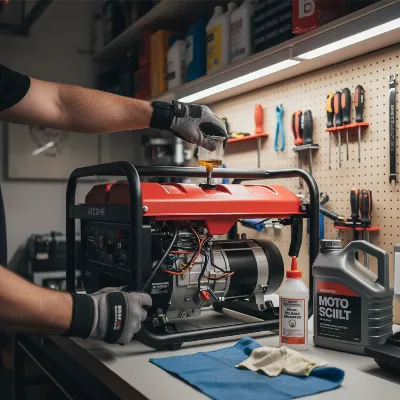 A person performing maintenance on a portable generator with tools, emphasizing the essential steps of winterization.
Tools and Materials Needed for Winterization
Having the right tools and materials on hand will make the winterization process smoother and more efficient.
- Fuel Stabilizer: Essential for gasoline.
- Approved Fuel Container: For draining old fuel safely.
- Wrenches/Sockets: For spark plug, oil drain, and battery terminals.
- Spark Plug Wrench: Often specific to generator spark plugs.
- New Spark Plug: If replacement is necessary.
- Fresh Engine Oil: The correct type and viscosity for your generator.
- Oil Filter: If your generator has one and it needs replacement.
- Air Filter: For replacement if needed, or cleaning supplies for foam filters.
- Funnel: For adding oil and fuel stabilizer.
- Clean Rags/Shop Towels: For cleaning spills and general wiping.
- Wire Brush/Scraper: For cleaning terminals if corrosion is present.
- Battery Charger/Maintainer: For electric start models.
- Rust-Preventative Lubricant: For exposed metal parts.
- Generator Cover: To protect from dust and moisture during storage.
- Safety Glasses and Gloves: Always use appropriate personal protective equipment.
Common Mistakes to Avoid When Winterizing a Portable Generator
Even with the best intentions, some common pitfalls can undermine your winterization efforts. Being aware of these can save you trouble later.
- Forgetting Fuel Stabilizer or Draining: This is arguably the most common and damaging mistake. Leaving untreated fuel in the system ensures you’ll have starting problems due to gummed-up components.
- Not Draining the Carburetor: Even if you drain the tank, a small amount of fuel can remain in the carburetor bowl, leading to clogs.
- Ignoring the Battery: A discharged battery exposed to freezing temperatures can suffer irreversible damage.
- Storing in a Damp Environment: High humidity can lead to rust and corrosion, even on a well-prepared generator.
- Overlooking the Owner’s Manual: Your generator’s manual contains specific recommendations for maintenance, oil types, and torque settings that are crucial for proper care.
- Using the Wrong Oil: Different generators require specific oil types and viscosities. Using the wrong one can affect lubrication and engine performance.
- Skipping the Test Run: After adding fuel stabilizer, it’s vital to run the generator briefly to ensure the treated fuel reaches all parts of the system.
“Many users underestimate the impact of stale fuel. It’s not just about starting; it’s about protecting the intricate components of your fuel system from expensive damage. A little stabilizer and proper draining go a long way.” – John Peterson, Certified Small Engine Mechanic
Storing Your Portable Generator for Winter
Once your generator is fully winterized, proper storage is the final step to protect it until spring.
Location: Choose a storage location that is dry, well-ventilated, and protected from extreme temperature fluctuations. A garage, shed, or dedicated utility room are good options. Avoid storing it outdoors, even with a cover, as prolonged exposure to the elements can still cause issues. Ensure the area is clean and free of excessive dust.
Security: Store the generator on a flat, stable surface. If possible, elevate it slightly off the ground to prevent moisture wicking. Consider securing it to deter theft, especially if stored in an easily accessible location like an unlocked shed.
Pest Prevention: Small animals and insects can find generators appealing places to nest, potentially chewing on wires or clogging air vents. Placing mothballs or other pest deterrents around the storage area can help. Ensure all openings, like air intakes, are covered if the generator cover doesn’t seal them.
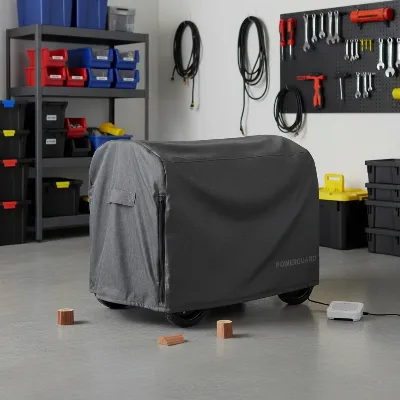 A clean, covered portable generator safely stored in a garage for winter, with pest deterrents.
Getting Your Portable Generator Ready After Winter
When winter fades and you’re ready to bring your generator back into service, a few simple steps will ensure a smooth transition.
- Inspect and Recharge Battery: If you disconnected and stored the battery separately, reattach it and ensure it’s fully charged.
- Check Fluid Levels: Verify the oil level is correct. If you drained the fuel tank, add fresh, clean gasoline.
- Inspect Air Filter: Ensure the air filter is clean and properly installed.
- Check Spark Plug: Verify the spark plug is clean and correctly gapped.
- Visual Inspection: Look for any signs of damage, loose connections, or pest activity.
- Test Run: Before you might actually need it, start the generator. Let it run for 10-15 minutes to warm up and circulate fluids. This also gives you a chance to ensure it’s running smoothly and detect any potential issues.
Conclusion
Properly winterizing your portable generator is a critical annual task that safeguards its performance and significantly extends its operational life. By meticulously preparing the fuel system, maintaining the engine, caring for the battery, and ensuring secure storage, you are protecting your investment and guaranteeing a reliable power source for whatever the colder months may bring. Don’t let a minor oversight lead to major headaches; a little effort now ensures peace of mind later. What steps will you take this year to ensure your portable generator is truly winter-ready?
Frequently Asked Questions
How often should I change the oil in my portable generator?
The frequency of oil changes depends on usage, but typically, it’s recommended after the first 20-30 hours of operation for a new generator, and then every 50-100 hours or at least once a year, particularly as part of winterization, to ensure optimal engine health.
Can I leave gasoline in my generator over winter if I use a fuel stabilizer?
While a high-quality fuel stabilizer can help prevent degradation, for optimal long-term storage and to entirely avoid potential issues, completely draining the fuel tank and carburetor after stabilization is the safest and most recommended practice for gasoline generators.
What temperature is too cold to store a portable generator battery?
Lead-acid batteries can freeze if they are discharged, with freezing points rising as the charge level drops. It’s generally best to store a fully charged battery in an environment above 32°F (0°C) and ideally between 40-60°F (4-15°C) to prevent damage and preserve capacity.
Is it okay to run my portable generator periodically during winter storage?
Some experts suggest running the generator for 15-20 minutes every month or two, especially if you opted to keep stabilized fuel in the tank, to circulate fluids and keep seals lubricated. However, ensure it’s done in a well-ventilated area and is not a substitute for proper winterization.
What kind of cover should I use for winter storage?
A breathable, waterproof cover is ideal. Breathability helps prevent moisture buildup and condensation, while waterproof material protects against splashes and dust. Avoid non-breathable plastic tarps that can trap humidity and encourage rust.
Frequently Asked Questions
How often should I change the oil in my portable generator?
For a new generator, change the oil after the first 20-30 hours of operation. Subsequently, it's recommended every 50-100 hours or at least once a year, particularly as part of winterization, to maintain optimal engine health.
Can I leave gasoline in my generator over winter if I use a fuel stabilizer?
While a high-quality fuel stabilizer helps prevent degradation, for optimal long-term storage and to avoid potential issues, completely draining the fuel tank and carburetor after stabilization is the safest practice for gasoline generators.
What temperature is too cold to store a portable generator battery?
Lead-acid batteries can freeze if discharged, with freezing points rising as charge levels drop. Store a fully charged battery above 32u00b0F (0u00b0C), ideally between 40-60u00b0F (4-15u00b0C), to prevent damage and preserve capacity.
Is it okay to run my portable generator periodically during winter storage?
Some experts suggest running the generator for 15-20 minutes every month or two, especially if stabilized fuel is kept in the tank, to circulate fluids and lubricate seals. Always do this in a well-ventilated area, and it's not a substitute for proper winterization.
What kind of cover should I use for winter storage?
A breathable, waterproof cover is ideal for winter storage. Breathability prevents moisture buildup and condensation, while waterproof material protects against splashes and dust. Avoid non-breathable plastic tarps that can trap humidity and encourage rust.
How to Winterize Your Portable Generator
Safely prepare your portable generator for winter storage to ensure reliable performance and extend its lifespan.
Add a high-quality fuel stabilizer to the gasoline and run the generator for 5-10 minutes to circulate it. For long-term storage, completely drain the fuel tank and carburetor to prevent gumming and clogging.
Change the engine oil and oil filter according to your manual. Inspect and replace the spark plug if needed, adding a tablespoon of fresh oil into the spark plug hole before reinstalling. Clean or replace the air filter.
Fully charge the battery if your generator has an electric start, then disconnect the terminals (negative first). Store the battery in a cool, dry place, ideally using a trickle charger or battery maintainer.
Thoroughly clean the generator's exterior to remove dirt and debris. Lightly lubricate any exposed metal parts, pivot points, or hinges with a rust-preventative lubricant to protect against moisture.
Cover the clean and dry generator with a breathable, waterproof cover. Store it in a dry, well-ventilated location like a garage or shed, elevated off the ground, and consider pest deterrents.

This guide was a lifesaver! I always just drained the fuel and hoped for the best, but adding the fuel stabilizer makes so much more sense for preventing gunk. My generator started right up this spring after following these steps. Definitely worth the hour or two it took.
Good tips here, especially about checking the spark plug. I usually forget that part. The section on battery care was also really helpful; I used to just disconnect it, but fully charging it before storage is a better idea. My only minor complaint is I wish there was a quick checklist at the end.
Excellent guide! I’ve had issues with my generator not starting after winter before, and I suspect it was due to neglecting the fuel system. The detailed steps on adding fuel stabilizer and running it for a bit really clarified the process. My unit is now prepped and ready for the cold months.
The advice on changing the oil is solid, and I always do that. However, I found the instructions for exterior protection a bit vague. It just says ‘ensure proper exterior protection’ but doesn’t really go into specific covers or storage environments beyond the basics. Still, some good reminders here.