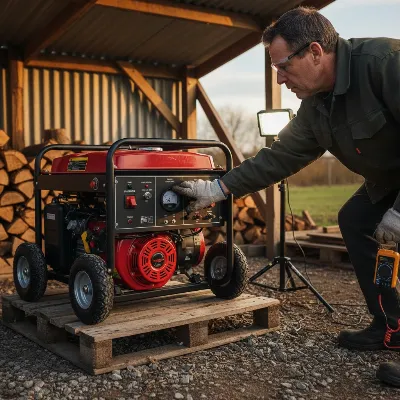
Power outages can disrupt daily life, making a portable generator an invaluable asset for many households. While these machines provide essential electricity during emergencies, ensuring their safe operation is paramount. A critical safety measure often overlooked by homeowners is proper grounding. This comprehensive guide will walk you through the necessity of grounding, the essential components, and a step-by-step DIY process to safely ground your portable generator at home, protecting both your equipment and your family from electrical hazards.
What is Grounding and Why is it Important for a Portable Generator?
Grounding a portable generator involves creating a direct electrical connection between the generator’s frame and the earth. This connection provides a safe path for stray electrical currents to dissipate into the ground, preventing them from flowing through a person or damaging the generator itself. Without proper grounding, an electrical fault within the generator, such as a short circuit or insulation failure, could electrify the generator’s metal casing. If someone touches the generator in this state, they could receive a severe electrical shock, potentially leading to injury or even death.
The primary purpose of grounding is to mitigate the risk of electrocution and reduce the chance of electrical fires. It also helps to stabilize voltage and can protect sensitive electronics from voltage surges. The National Electrical Code (NEC) outlines specific requirements for grounding electrical equipment, including portable generators, to ensure maximum safety. Understanding these principles is the first step toward responsible generator ownership.
There are primarily two types of portable generators concerning their neutral connection: bonded neutral and floating neutral. A bonded neutral generator has its neutral wire connected to the generator’s frame, meaning the frame is already grounded internally. A floating neutral generator, on the other hand, has its neutral wire isolated from the frame. The type of neutral directly influences whether external grounding is required for the generator’s safe operation. Most portable generators designed for residential use or powering appliances directly are of the floating neutral type and require external grounding to a ground rod.
National Electrical Code (NFPA 70) Requirements for Grounding Portable Generators
The National Electrical Code (NFPA 70) provides the definitive guidelines for safe electrical installations, including the operation of portable generators. Adhering to these standards is not just a recommendation but a crucial safety practice that can prevent accidents and ensure the reliable performance of your generator. The NEC specifies that a portable generator with a rated capacity of 5 kW or less, which only supplies power to cord-and-plug connected equipment, does not typically require a separate ground rod if its neutral conductor is bonded to the generator frame and the generator is equipped with ground fault circuit interrupter (GFCI) receptacles. However, for generators supplying power through a transfer switch to a home’s electrical system, or for those without a bonded neutral or GFCI protection, a separate ground rod is generally mandated.
It is important to determine if your specific portable generator has a “bonded neutral” or a “floating neutral” system. A bonded neutral generator typically has the neutral conductor connected to its frame. If the generator is connected to an external grounding electrode (like a ground rod), the frame will be effectively grounded. Conversely, a floating neutral generator has its neutral conductor isolated from the frame. For generators that are not bonded internally (floating neutral), or when using a generator to power a transfer switch that connects to your home’s wiring, a supplemental grounding electrode system—a ground rod and appropriate grounding conductor—is essential for safety. Always consult your generator’s owner’s manual for specific grounding instructions, as manufacturers design their units with these code requirements in mind.
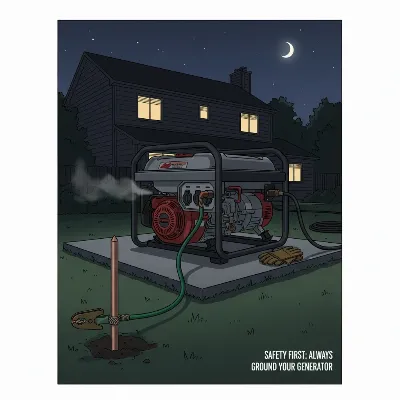 A portable generator with a visible grounding wire connected to a copper ground rod in the earth, demonstrating safe operation during an outage.
> “Proper grounding is your last line of defense against electrocution when operating a portable generator. Never skip this vital step, even if you think the risk is low.” – Eleanor Vance, Certified Electrical Safety Expert
Components Needed for Grounding a Portable Generator
To safely and effectively ground your portable generator, you will need a few specific components. These items are readily available at most hardware stores and are relatively inexpensive, especially when considering the safety they provide. Having the right tools and materials on hand before you begin will ensure a smooth and proper setup.
The most crucial component is the ground rod. This is typically a copper or copper-clad steel rod, usually 8 feet (2.4 meters) long and 1/2 to 5/8 inch in diameter. Its purpose is to create a direct conductive path into the earth. The length is important to ensure it reaches moist soil, which is a better conductor. Along with the ground rod, you will need a ground rod clamp. This specialized clamp securely attaches the grounding wire to the ground rod. It must be made of a corrosive-resistant material, such as brass or copper, to ensure a lasting electrical connection.
Next, you will need a grounding wire. This is an insulated copper wire, typically 10-gauge (AWG) or larger, depending on the generator’s capacity, though 10-gauge is suitable for most residential portable generators. The wire should be long enough to reach from the generator’s grounding terminal to the ground rod without being taut. It is often green-insulated to indicate its purpose. Additionally, you will need basic tools for installation, such as a sledgehammer or post driver to drive the ground rod into the earth, and a wire stripper or screwdriver to connect the wire to the clamp and generator. It’s also advisable to have safety gloves and eye protection during the installation process.
Step-by-Step Guide on How to Ground a Portable Generator at Home
Grounding your portable generator is a straightforward DIY task that significantly enhances safety. Follow these steps carefully to ensure your generator is properly grounded before use.
Step 1: Position the Generator Safely
|
Our Picks for the Best Portable Generator in 2026
As an Amazon Associate I earn from qualifying purchases.
|
||
| Num | Product | Action |
|---|---|---|
| 1 | Anker SOLIX C1000 Portable Power Station, 1800W (Peak 2400W) Solar Generator, Full Charge in 58 Min, 1056wh LiFePO4 Battery for Home Backup, Power Outages, and Outdoor Camping (Optional Solar Panel) |

|
| 2 | 5000 Watts Portable Dual Fuel Inverter Generator– Small Gasoline LPG Powered for Home Backup, Camping, RV, Tailgating with CO Protection, Eco Mode, Recoil/Electric/Remote Start, Parallel Capable |
|
| 3 | BLUETTI Portable Power Station AC180, 1152Wh LiFePO4 Battery Backup w/ 2 1800W (2700W peak) AC Outlets, 0-80% in 45Min, Solar Generator for Camping, Off-grid, Power Outage |
|
| 4 | GENMAX Portable Inverter Generator, 6000W open frame Gas Powered High Speed Engine with Electric Start, Ultra Lightweight for Backup Home Use & Job Site,EPA Compliant (GM6000XiE) |
|
| 5 | maXpeedingrods 2400 Watt Portable Inverter Generator Gas Powered, Bluetooth® App Remote Data Monitor,Only 33lbs, Compact and Lightweight for Outdoor Camping, Home Use |
|
| 6 | Honda 664240 EU2200i 2200 Watt Portable Inverter Generator with Co-Minder |
|
| 7 | Champion Power Equipment 2500-Watt Dual Fuel Portable Inverter Generator with Quiet Technology and CO Shield |
|
| 8 | Westinghouse 155Wh 150 Peak Watt Portable Power Station & Solar Generator, Modified Sine Wave AC Outlet, Backup Lithium Battery for Camping, Home, Travel, Indoor/Outdoor Use (Solar Panel Not Included) |
|
| 9 | Anker SOLIX C1000 Gen 2 Portable Power Station, 2,000W (Peak 3,000W) Solar Generator, Full Charge in 49 Min, 1,024Wh LiFePO4 Battery for Home Backup, Power Outages, and Camping (Optional Solar Panel) |
|
| 10 | Generac 2,500-Watt Gas Powered Portable Inverter Generator - Lightweight and Compact Design - Produces Clean, Stable Power - Quiet Operation - Great for Home Backup, Camping, and RV Use |
|
Always place your portable generator outdoors in a well-ventilated area, away from windows, doors, and vents to prevent carbon monoxide poisoning. Ensure it is on a stable, level surface, and at least 20 feet away from your home or any other structures. Make sure the generator is turned off and cooled down before you begin any work on it.
Step 2: Drive the Ground Rod
Select a spot near your generator, preferably in moist soil, if possible, as it improves conductivity. Using a sledgehammer or a specialized post driver, drive the 8-foot ground rod vertically into the earth until only about 6 inches of the rod remains above the ground. Ensure the rod is as straight as possible. If you encounter significant resistance, try a different spot or consider pouring some water around the rod to soften the soil.
Step 3: Connect the Grounding Wire to the Ground Rod
Strip about an inch of insulation from one end of your 10-gauge (or larger) copper grounding wire. Loosen the screws on the ground rod clamp and slide the bare copper wire into the designated opening. Securely tighten the screws on the clamp with a wrench or screwdriver to ensure a tight, low-resistance connection. The clamp should grip both the wire and the ground rod firmly.
Step 4: Connect the Grounding Wire to the Generator
Locate the grounding terminal on your portable generator. This is typically a wing nut or a bolt with a grounding symbol (a circle with three horizontal lines decreasing in length) or “GND” clearly marked. Strip about an inch of insulation from the other end of the grounding wire. Attach the bare wire to this terminal, ensuring a tight and secure connection. If it’s a wing nut, hand-tighten it, and if it’s a bolt, use a wrench.
Step 5: Verify the Connection
Once both ends of the grounding wire are securely connected, double-check all connections. Gently tug on the wire at both the generator and the ground rod to ensure there is no looseness. The grounding wire should not be under tension and should be protected from physical damage. Your generator is now safely grounded and ready for operation according to its manual and all safety guidelines.
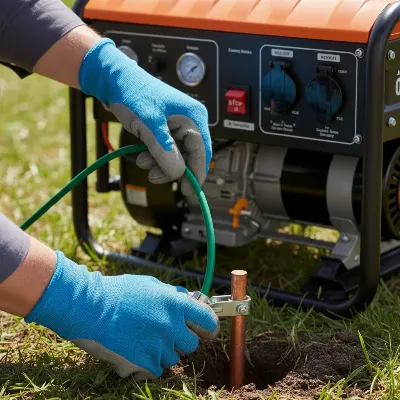 A person checking the connections of a portable generator with a focus on the grounding wire and ground rod, emphasizing safety precautions.
Top Portable Generator Models for Home Use
When it comes to choosing a portable generator for home use, several models consistently receive high marks for reliability, performance, and safety features. Selecting the right generator depends on your specific power needs, budget, and desired features such as fuel type and noise level.
One popular choice is the Honda EU2200i inverter generator. Known for its quiet operation and fuel efficiency, it’s ideal for powering sensitive electronics and essential home appliances during shorter outages. Its inverter technology provides clean power, similar to what you get from a wall outlet. For those needing more power, the Generac GP6500 offers a robust solution, capable of running multiple major appliances simultaneously. It’s a workhorse often chosen for extended outages, though it is typically louder than inverter models. Its steel frame and durable engine ensure longevity.
Another highly-rated option is the Westinghouse WGen7500DF, a dual-fuel generator that can run on either gasoline or propane. This flexibility is a significant advantage, allowing users to choose the most readily available fuel source. It also features electric start for convenience and provides ample power for most homes. For budget-conscious buyers, the Champion 3500-Watt Dual Fuel RV Ready Portable Generator offers a great balance of features and affordability, including dual-fuel capability and a user-friendly design. It’s a solid choice for essential backup power and recreational use.
> “Investing in a reputable brand with strong safety features, even if it costs a bit more, pays dividends in peace of mind and reliable performance during emergencies.” – Mark Jenkins, Home Emergency Preparedness Consultant
Maintaining and Safely Using Your Portable Generator
Proper maintenance and adherence to safety protocols are crucial for extending the lifespan of your portable generator and ensuring its safe operation. Neglecting either can lead to equipment failure, reduced efficiency, or dangerous situations.
Regular maintenance is key. Always refer to your generator’s owner’s manual for a detailed maintenance schedule. This typically includes checking and changing the oil at recommended intervals, often after the first 20-30 hours of use and then every 50-100 hours thereafter. Inspecting and cleaning the air filter is also vital to ensure optimal engine performance. A clogged filter can lead to overheating and reduced power output. Checking and replacing spark plugs as needed will ensure easy starting and efficient combustion. Before storing your generator for an extended period, it’s advisable to drain the fuel tank or use a fuel stabilizer to prevent fuel degradation, which can clog the carburetor. Periodically run the generator for 20-30 minutes every month or two, even when not in use, to keep components lubricated and ensure it starts when needed.
Safety measures are non-negotiable. Never operate a portable generator indoors or in an enclosed space, including a garage, shed, or basement. This is because generators produce carbon monoxide, an odorless, colorless, and deadly gas. Always position the generator at least 20 feet away from any building with the exhaust directed away from windows and doors. Store fuel safely in approved containers away from living areas and heat sources. When refueling, turn off the generator and allow it to cool down to prevent accidental fires. Avoid overloading the generator by keeping track of the total wattage of the appliances you are powering. Overloading can damage the generator and pose a fire hazard. Finally, use appropriate extension cords that are rated for outdoor use and can handle the load. Ensure cords are free from damage and properly routed to avoid tripping hazards.
Common operational issues, such as a generator failing to start, often stem from stale fuel, a dirty air filter, or a fouled spark plug. Regular maintenance, as outlined, can prevent most of these problems, ensuring your generator is ready when power outages strike.
Conclusion
Safely grounding your portable generator at home is a fundamental step that should never be overlooked. By understanding the principles of grounding, gathering the necessary components, and following the clear, step-by-step installation process, you significantly reduce the risk of electrical shock and enhance the overall safety of your power backup system. From preventing dangerous current paths to protecting your valuable electronics, proper grounding provides a vital layer of security for both your equipment and your family. Remember that while a portable generator offers convenience during outages, its safe operation hinges on diligent setup and adherence to established safety guidelines. What other safety measures do you prioritize when preparing for unexpected power interruptions?
Frequently Asked Questions
Is a ground rod always necessary for a portable generator?
A ground rod is generally required for portable generators that have a “floating neutral” or when the generator is connected to a home’s electrical system via a transfer switch. Some smaller, “bonded neutral” generators with GFCI outlets may not require a separate ground rod for direct appliance connection, but always consult your generator’s manual and local electrical codes.
Can I use my house’s existing grounding system for a portable generator?
No, it is generally not recommended or safe to connect a portable generator directly to your home’s existing grounding system unless it is done by a qualified electrician using a properly installed transfer switch that meets all NEC requirements. Directly connecting can create dangerous backfeed into the utility grid.
How deep should a ground rod be driven for a portable generator?
A standard ground rod should be driven at least 8 feet (2.4 meters) into the earth. The goal is to reach moist soil, which is a better conductor, to ensure an effective grounding connection. Only about 6 inches of the rod should remain above ground for connection.
What gauge wire should I use for grounding a portable generator?
For most residential portable generators, a 10-gauge (AWG) insulated copper wire is sufficient for grounding. However, always check your generator’s owner’s manual for specific recommendations, as larger generators may require a thicker gauge wire.
What is the difference between bonded neutral and floating neutral generators?
A “bonded neutral” generator has its neutral wire connected to its frame, meaning the frame is internally grounded. A “floating neutral” generator has its neutral wire isolated from the frame. Floating neutral generators typically require external grounding with a ground rod for safety, especially when used in certain applications.
Can I ground a portable generator to a metal pipe instead of a ground rod?
It is not recommended to ground a Portable Generator to a metal pipe, such as a water pipe, unless it is specifically identified and verified as part of an approved grounding electrode system by a qualified electrician. A dedicated ground rod is the safest and most reliable method.