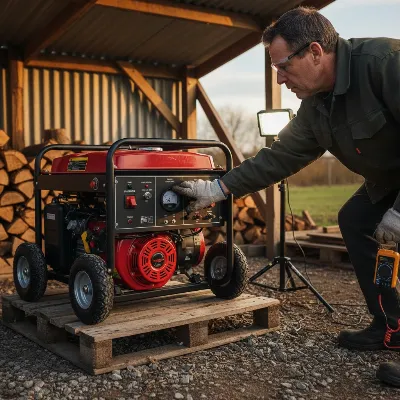
When storms hit and the power grid falters, a portable generator can be a true lifeline, keeping essential appliances running and lights on. But with unpredictable weather often comes rain, leading many to wonder if it’s safe to operate these powerful machines in wet conditions. The short answer is yes, but only with stringent safety precautions and the right protection in place. Running a portable generator directly exposed to rain is extremely dangerous and can lead to severe consequences. This comprehensive guide will equip you with the knowledge to safely use your portable generator, even when the skies open up.
Understanding Portable Generators: Powering Your World
Portable generators are versatile devices designed to provide electricity on demand, often powered by gasoline, propane, or diesel. They are indispensable for various scenarios, from maintaining essential home functions during a power outage to powering tools at a remote job site, or providing creature comforts during camping trips. These units typically come in two main types: conventional generators, known for their robust power output, and inverter generators, which are generally quieter, more fuel-efficient, and produce cleaner power, making them suitable for sensitive electronics. While their core function is to generate power, their design usually involves exposed electrical components and air intakes, making them vulnerable to moisture.
The Real Dangers of Wet Weather Generator Operation
Operating a portable generator without proper protection in rainy or wet conditions presents significant hazards that can affect both the equipment and, more critically, human safety. Understanding these risks is the first step toward safe operation.
The most immediate danger is electrical shock or electrocution. Water is an excellent conductor of electricity, and rain can infiltrate the generator’s electrical outlets, wiring, or even the engine itself, creating a direct path for current to pass through anyone in contact with the machine or its connected cords. This can lead to severe injury or be fatal.
Beyond immediate electrical dangers, prolonged exposure to moisture can cause significant damage to the generator. Water can lead to short circuits within the electrical system and rapidly accelerate corrosion of metal components, both internally and externally. If water enters the fuel tank, it can contaminate the fuel, causing the generator to malfunction, fail to start, or suffer permanent engine damage. This not only incurs costly repairs but can also drastically shorten the lifespan of your investment.
Perhaps the most insidious threat when generators are improperly used in adverse weather is carbon monoxide (CO) poisoning. Portable generators emit carbon monoxide, an odorless, colorless, and highly toxic gas. The natural instinct during rain is to move the generator into a sheltered area like a garage, basement, or even under a porch. However, even a partially open garage or carport does not provide adequate ventilation, allowing CO to accumulate to lethal levels in minutes. This deadly gas can cause incapacitation and death before victims even realize they are in danger.
Crucial Steps for Safe Portable Generator Use in Rain
When you absolutely must run your portable generator during rainy conditions, implementing specific safety measures is paramount. These steps are designed to mitigate the risks of electrical hazards, equipment damage, and carbon monoxide poisoning.
Invest in Proper Weather Protection
|
Our Picks for the Best Portable Generator in 2026
As an Amazon Associate I earn from qualifying purchases.
|
||
| Num | Product | Action |
|---|---|---|
| 1 | Champion Power Equipment 2500-Watt Dual Fuel Portable Inverter Generator with Quiet Technology and CO Shield |

|
| 2 | GENMAX Portable Inverter Generator, 6000W open frame Gas Powered High Speed Engine with Electric Start, Ultra Lightweight for Backup Home Use & Job Site,EPA Compliant (GM6000XiE) |
|
| 3 | Honda 664240 EU2200i 2200 Watt Portable Inverter Generator with Co-Minder |
|
| 4 | BLUETTI Portable Power Station AC180, 1152Wh LiFePO4 Battery Backup w/ 2 1800W (2700W peak) AC Outlets, 0-80% in 45Min, Solar Generator for Camping, Off-grid, Power Outage |
|
| 5 | Westinghouse 155Wh 150 Peak Watt Portable Power Station & Solar Generator, Modified Sine Wave AC Outlet, Backup Lithium Battery for Camping, Home, Travel, Indoor/Outdoor Use (Solar Panel Not Included) |
|
| 6 | Anker SOLIX C1000 Gen 2 Portable Power Station, 2,000W (Peak 3,000W) Solar Generator, Full Charge in 49 Min, 1,024Wh LiFePO4 Battery for Home Backup, Power Outages, and Camping (Optional Solar Panel) |
|
| 7 | Generac 2,500-Watt Gas Powered Portable Inverter Generator - Lightweight and Compact Design - Produces Clean, Stable Power - Quiet Operation - Great for Home Backup, Camping, and RV Use |
|
| 8 | maXpeedingrods 2400 Watt Portable Inverter Generator Gas Powered, Bluetooth® App Remote Data Monitor,Only 33lbs, Compact and Lightweight for Outdoor Camping, Home Use |
|
| 9 | Anker SOLIX C1000 Portable Power Station, 1800W (Peak 2400W) Solar Generator, Full Charge in 58 Min, 1056wh LiFePO4 Battery for Home Backup, Power Outages, and Outdoor Camping (Optional Solar Panel) |
|
| 10 | 5000 Watts Portable Dual Fuel Inverter Generator– Small Gasoline LPG Powered for Home Backup, Camping, RV, Tailgating with CO Protection, Eco Mode, Recoil/Electric/Remote Start, Parallel Capable |
|
The golden rule for running a portable generator in the rain is to never expose it directly to moisture. Investing in a purpose-built generator tent, cover, or enclosure is essential. These specialized covers are designed to shield the generator from rain, snow, and wind while ensuring critical ventilation for exhaust and heat dissipation. Many models, such as the Champion Storm Shield by GenTent or IGAN Generator Tent Covers, are engineered to withstand severe weather, featuring sturdy frames and fire-retardant, waterproof materials that provide comprehensive protection without compromising safety or performance.
Crucially, avoid using makeshift covers like tarps or plastic sheets draped directly over the generator. While they might seem like a quick fix, these often block essential airflow, trapping heat and deadly carbon monoxide fumes. They can also collapse under heavy rain or wind, potentially coming into contact with hot engine parts and creating a fire hazard, or becoming entangled with moving components. Always opt for solutions specifically designed for generator operation in wet weather, which feature open sides or strategic vents to maintain proper airflow.
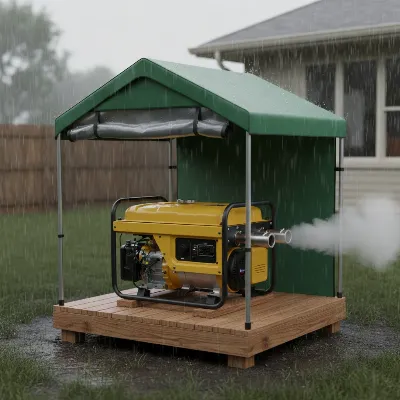 A portable generator running safely under a purpose-built, open-sided generator tent in the rain
Strategic Placement is Key
Even with a proper cover, the placement of your generator is critical for safe operation, especially in wet conditions. Always position your portable generator outdoors and on a dry, stable, elevated surface. This prevents the unit from sitting in puddles or absorbing ground moisture, which could lead to electrical hazards or damage. A platform, a sturdy wooden pallet, or a gravel pad can provide the necessary elevation and drainage.
Most importantly, to protect against the silent killer of carbon monoxide, the generator must be placed at least 20 feet (6 meters) away from any occupied building, including your home, and ensure its exhaust is directed away from all windows, doors, and vents. This distance is vital because wind can easily carry CO fumes into living spaces, even if doors and windows are closed. Never operate a generator in an attached garage, basement, crawlspace, or partially enclosed areas like carports or porches, as these spaces pose extreme carbon monoxide poisoning risks.
Electrical Safety and Connections
When connecting appliances to your generator, prioritize electrical safety, particularly in wet conditions. Always use heavy-duty, outdoor-rated extension cords that are designed to withstand moisture and outdoor elements. Inspect cords regularly for any cuts, fraying, or exposed wires, and replace them if damaged.
Ensure all electrical connections remain dry and off the ground. Water can easily seep into connections, leading to short circuits and shock hazards. Some modern portable generators come equipped with Ground Fault Circuit Interrupter (GFCI) outlets, which provide an added layer of safety by automatically shutting off power if they detect an electrical fault or current leakage. If your generator does not have GFCI outlets, consider using GFCI-protected extension cords or adapters for critical connections.
Comparing Portable Generator Weather Protection Solutions
Choosing the right protection for your portable generator can be daunting. Here’s a comparison of common solutions to help you decide.
| Feature | Generator Tent/Cover | DIY Temporary Shelter | Permanent Enclosure |
|---|---|---|---|
| Cost | Low to Medium | Low | High |
| Portability | High (designed for easy setup/takedown) | Medium (depends on materials) | Low (often fixed in place) |
| Protection Level | Good (shields from rain/snow) | Variable (depends on construction) | Excellent (full weather and often sound protection) |
| Ventilation | Designed-in for safe operation | Must be meticulously ensured | Integrates advanced ventilation systems (complex design) |
| Ease of Refueling | Accessible flaps/openings | Can be cumbersome | Often features specialized access points |
| Durability | Good (weather-resistant materials) | Variable | Very High (robust construction) |
Generator tents and covers are the most popular choice for typical homeowners and campers due to their balance of cost, portability, and effective protection during operation. DIY shelters, while budget-friendly, require careful planning to ensure adequate ventilation and stability. Permanent enclosures offer the best protection and often include noise reduction, but they are a significant investment and reduce portability.
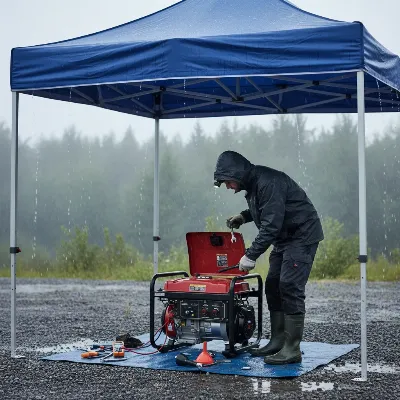 A person performing maintenance on a portable generator under a protective canopy during light rain, emphasizing safety and care.
Selecting a Portable Generator for Reliable All-Weather Performance
While no fuel-powered portable generator is truly waterproof and all require external protection in rain, certain features can contribute to their robustness and ease of use in challenging conditions. When choosing a generator, look for models with durable, weather-resistant casings and robust construction. Generators equipped with GFCI outlets are a significant advantage for electrical safety in any damp environment.
Consider the fuel type: gasoline generators are common, but propane or dual-fuel models offer flexibility and longer storage life for fuel. Pay attention to the starting wattage (for initial surge power) and running wattage (for continuous operation) to ensure it meets your needs. Noise levels are also a factor, especially in residential areas; inverter generators typically run quieter.
For those who prioritize absolute indoor safety and minimal weather concern for the unit itself, battery-powered power stations (solar generators) are an excellent alternative. These units produce no carbon monoxide, can be used safely indoors, and are not susceptible to the same electrical hazards from rain as fuel-powered generators, although their battery components should still be protected from direct water exposure and submersion.
Maintaining Your Portable Generator for Rainy Day Readiness
Proper maintenance is crucial for ensuring your portable generator performs reliably when you need it most, especially during inclement weather. Before a storm, perform a thorough check of your generator: ensure fuel levels are adequate (and store fuel safely in approved containers, never indoors), check oil levels, and inspect all electrical cords for damage.
When refueling, always turn off the generator and allow it to cool down completely before adding fuel. This prevents the risk of fire or explosion from spilled fuel coming into contact with hot engine parts. Regular maintenance, such as changing the oil, cleaning the air filter, and checking spark plugs as per the manufacturer’s recommendations, will extend the life of your generator and ensure it starts reliably in an emergency. After use in wet conditions, make sure to wipe down the exterior and allow any internal moisture to fully dissipate before storing the unit in a dry, protected location.
Conclusion
Operating a portable generator during rainy weather is feasible and often necessary during power outages, but it demands an unwavering commitment to safety. The key takeaway is simple: never run a portable generator directly exposed to rain, and never operate it indoors or in any partially enclosed space. By investing in a purpose-built generator cover or tent, ensuring proper outdoor placement at least 20 feet from your home, maintaining dry and safe electrical connections, and having carbon monoxide detectors, you can harness the vital power of your generator while protecting yourself and your family. Staying informed and prepared is your best defense against the challenges of inclement weather.
What measures do you take to ensure your portable generator is ready for the next storm?
Câu Hỏi Thường Gặp
Can I use a regular tarp to cover my generator in the rain?
No, it is strongly advised against using a regular tarp to cover a running generator. Tarps can block vital airflow needed for cooling and exhaust, leading to dangerous carbon monoxide buildup, overheating, and potential fire hazards. Always use purpose-built generator covers designed for safe operation in wet weather, which incorporate proper ventilation.
How far away should a generator be from my house?
A portable generator should be placed at least 20 feet (6 meters) away from your home or any other occupied building. Crucially, its exhaust should be directed away from all windows, doors, and vents to prevent deadly carbon monoxide fumes from entering living spaces. This distance is vital even if windows and doors are closed.
Are portable generators waterproof?
No, most Portable Generators are not waterproof. While some may have a degree of weather resistance, they are not designed for direct exposure to heavy rain, snow, or submersion. Electrical components and engine parts are vulnerable to water, which can cause short circuits, corrosion, and damage. External protection is always required for safe operation in wet conditions.